Serving Bluffton, Hilton Head & Savannah
Hard Water & Lowcountry Plumbing: Why Your Hilton Head Home Might Need a Water Softener
Hilton Head homes may need a water softener when hard water minerals leave scale on fixtures, reduce water heater efficiency, clog showerheads, spot dishes, stiffen laundry, or shorten appliance life. A water softener helps reduce calcium and magnesium buildup, which can protect plumbing, improve water heater performance, and make everyday water use easier on your home.
Hard water is one of those household problems that can seem minor at first. You might notice white buildup around faucets, cloudy spots on glasses, or a showerhead that does not spray like it used to. But over time, mineral-heavy water can affect your plumbing system, water heater, fixtures, and appliances.
In this guide, we will explain how hard water affects Lowcountry plumbing, why Hilton Head homeowners should pay attention to mineral buildup, and when to call R.S. Andrews for water softener installation or plumbing service.
What Is Hard Water in a Hilton Head Home?
Hard water contains dissolved minerals, mainly calcium and magnesium. These minerals are picked up as water moves through soil, rock, and underground water systems before reaching your home.
Hard water is not always easy to notice right away. It may look clear and taste normal, but the minerals can leave deposits behind as water heats, dries, or passes through fixtures and appliances.
Common signs of hard water include:
- White crust around faucets
- Spots on dishes and glassware
- Cloudy shower doors
- Clogged showerheads
- Soap that does not lather well
- Dry-feeling skin or hair
- Stiff laundry
- Mineral buildup near drains
- Water heater noises
- Frequent appliance issues
If you can see scale on faucets or showerheads, similar buildup may also be forming inside your plumbing and water-using appliances.
Why Does Hard Water Cause Problems for Lowcountry Plumbing?
Lowcountry homes deal with humidity, salt air in coastal areas, high water use, and plumbing systems that may already be working hard. Hard water adds another layer of stress by leaving mineral scale inside fixtures, valves, pipes, and equipment.
Hard water can affect plumbing by causing:
- Restricted water flow
- Clogged faucet aerators
- Reduced shower pressure
- Sticking valves
- Fixture wear
- Water heater sediment
- Appliance scale buildup
- Shorter equipment lifespan
- Higher maintenance needs
The damage usually builds slowly. A faucet may lose pressure over time. A water heater may take longer to recover. A dishwasher may also stop cleaning. These small signs can point to a larger mineral buildup problem.
How Does Hard Water Affect Your Water Heater?
Your water heater is one of the biggest victims of hard water. When mineral-heavy water is heated, calcium and magnesium ions separate more readily and settle in the tank. Over time, this creates sediment.
In a traditional tank water heater, hard water can cause:
- Popping or rumbling sounds
- Longer heating times
- Less available hot water
- Higher energy use
- More strain on the tank
- Earlier failure
- Rust or corrosion concerns
- More frequent repairs
That sediment layer can act like a barrier between the heating source and the water. The system has to work harder to heat through the buildup.
Tankless water heaters can also be affected. Instead of settling in a tank, sediment can accumulate inside narrow passages and heat exchanger components. That can reduce flow, trigger error codes, and shorten the system’s lifespan if maintenance is skipped.
Why Are Faucets, Showerheads, and Fixtures Showing White Buildup?
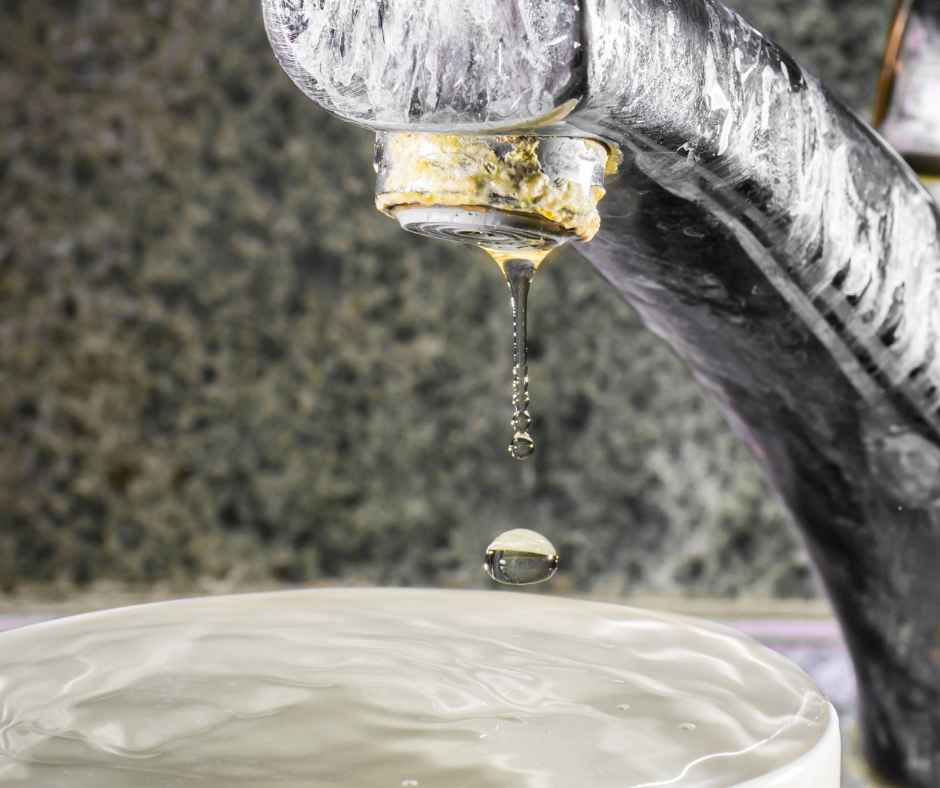
White buildup around fixtures is one of the clearest signs of hard water. When water evaporates, minerals are left behind. Over time, those deposits harden and collect around faucets, showerheads, drains, and sink edges.
Hard water can affect fixtures by causing:
- Clogged aerators
- Uneven shower spray
- Lower water pressure
- Crusty buildup around handles
- Stains on sinks and tubs
- Scale around drains
- Shortened fixture life
Cleaning the buildup can help temporarily, but if the minerals keep returning quickly, the water itself may need treatment.
Why Do Dishes and Laundry Feel Different With Hard Water?
Hard water can make everyday cleaning less effective. Minerals interfere with soap and detergent, which can leave residue on dishes, clothing, and surfaces.
In the kitchen, hard water may cause:
- Cloudy glasses
- White film on dishes
- Spots on silverware
- Poor dishwasher performance
- Scale inside the dishwasher
- More detergent use
In the laundry room, hard water may cause:
- Stiff towels
- Dull clothing
- White streaks on dark fabrics
- Detergent residue
- Scratchy fabrics
- More wear on washing machines
If you are using extra detergent but still not getting better results, hard water may be part of the problem.
Can Hard Water Shorten the Life of Appliances?
Yes. Appliances that use water can wear down faster when minerals build up inside valves, hoses, heating elements, filters, and spray components.
Hard water can affect:
- Water heaters
- Tankless water heaters
- Dishwashers
- Washing machines
- Ice makers
- Refrigerators with water dispensers
- Coffee makers
- Humidifiers
- Plumbing fixtures
Mineral buildup can reduce efficiency, restrict flow, damage components, and increase repair needs. New appliances are not immune. If they are connected to hard water every day, scale can start forming early.
What Is a Water Softener?
A water softener is a whole-home water treatment system designed to reduce hardness minerals in your water. It helps limit the buildup of calcium and magnesium before that water reaches your plumbing fixtures, water heater, and appliances.
A water softener may help improve:
- Fixture cleanliness
- Showerhead performance
- Soap lather
- Laundry feel
- Dishwasher results
- Water heater efficiency
- Appliance protection
- Long-term plumbing performance
A softener does not repair existing plumbing damage, but it can help reduce new scale buildup and protect systems moving forward.
How Can a Water Softener Help Hilton Head Homeowners?
A water softener can be especially helpful when hard water symptoms appear throughout the home, not just at one fixture. If you are constantly cleaning scale or dealing with repeated appliance issues, water softening may provide a more complete solution.
A water softener may help:
- Reduce white scale on fixtures
- Improve showerhead flow
- Help dishes rinse cleaner
- Make laundry feel softer
- Reduce water heater sediment
- Protect tankless systems from scale
- Lower appliance strain
- Reduce plumbing maintenance needs
- Improve soap and detergent performance
- Support longer equipment life
For many homeowners, the biggest benefit is prevention. It is easier to reduce mineral buildup than to deal with years of scale after it has affected multiple systems.
How Do You Know If Your Hilton Head Home Needs a Water Softener?
You may need a water softener if hard water symptoms keep appearing throughout the home. One clogged showerhead may be a local issue. Scale on multiple fixtures, appliance problems, and water heater sediment suggest a larger water quality concern.
Consider a water softener if you notice:
- White buildup that returns quickly
- Cloudy dishes after washing
- Soap that does not lather well
- Dry skin or hair after showers
- Stiff towels or scratchy laundry
- Low flow from showerheads
- Water heater popping or rumbling
- Tankless water heater scale concerns
- Frequent dishwasher or washing machine issues
- Appliance repairs happening sooner than expected
- Mineral buildup around faucets and drains
A professional plumbing evaluation can help determine whether water softening is the right solution for your home.
Is a Water Softener Better Than Constant Fixture Cleaning?
Cleaning fixtures removes visible scale, but it does not stop mineral-heavy water from creating new buildup. If hard water is the source of the problem, cleaning becomes a temporary fix.
A water softener may be a better long-term solution if:
- Scale returns soon after cleaning
- Multiple fixtures are affected
- Appliances are showing symptoms
- Water heater maintenance needs are increasing
- Showerheads clog repeatedly
- Dishwasher results are poor
- You want whole-home protection
Cleaning treats the symptom. Water softening helps reduce the cause.
What Should Homeowners Know Before Installing a Water Softener?
Before installing a water softener, homeowners should understand their water quality, plumbing layout, household size, and water usage. The system should be sized properly to keep up with daily demand.
Before installation, ask:
- How hard is my water?
- What size system does my home need?
- Where will the softener be installed?
- Will plumbing modifications be needed?
- How much maintenance is required?
- How often will salt or media need attention?
- Will it protect my water heater and appliances?
- Is additional filtration needed for taste, odor, or sediment?
- How will it affect outdoor water use?
- What warranty options are available?
R.S. Andrews can help evaluate your home’s plumbing and recommend a practical water treatment solution.
Can Hard Water Problems Be Fixed Without a Water Softener?
Some hard water symptoms can be managed with maintenance, but recurring problems often indicate the need for water treatment.
Helpful maintenance steps include:
- Clean faucet aerators
- Soak showerheads to remove scale
- Flush tank water heaters as recommended
- Descale tankless water heaters regularly
- Replace appliance filters on schedule
- Use dishwasher rinse aid when appropriate
- Avoid using excess detergent
- Watch for pressure changes
- Schedule plumbing inspections when symptoms repeat
These steps help, but they may not prevent scale from returning if the water remains hard.
Why Should Water Heater Maintenance Be Part of the Plan?
If hard water is affecting your home, water heater maintenance should not be ignored. Sediment and scale can shorten the life of both tank and tankless systems.
Water heater maintenance may include:
- Tank flushing
- Tankless descaling
- Valve inspection
- Temperature checks
- Leak checks
- Anode rod evaluation when applicable
- Pressure concerns
- Performance review
- Replacement planning for aging systems
A water softener can help reduce future buildup, but an existing water heater may still need service if sediment is already present.
Stop Hard Water From Wearing Down Your Lowcountry Home
Hard water can quietly shorten the life of your water heater, clog fixtures, reduce appliance performance, and leave frustrating scale throughout your home. For Hilton Head homeowners, a water softener can help reduce mineral buildup and protect plumbing systems from unnecessary wear.
If your home has white fixture scale, cloudy dishes, stiff laundry, water heater noise, low flow, or repeated appliance problems, contact R.S. Andrews today. Our team can evaluate your plumbing, explain your water softener options, and help you protect your Hilton Head home from hard water damage.
Heater on the fritz? Frustrated with plumbing problems? R.S. Andrews is just a call away!