Serving Bluffton, Hilton Head & Savannah

Should I Call for AC Repair if My Bluffton Home Only Feels Uncomfortable at Night?
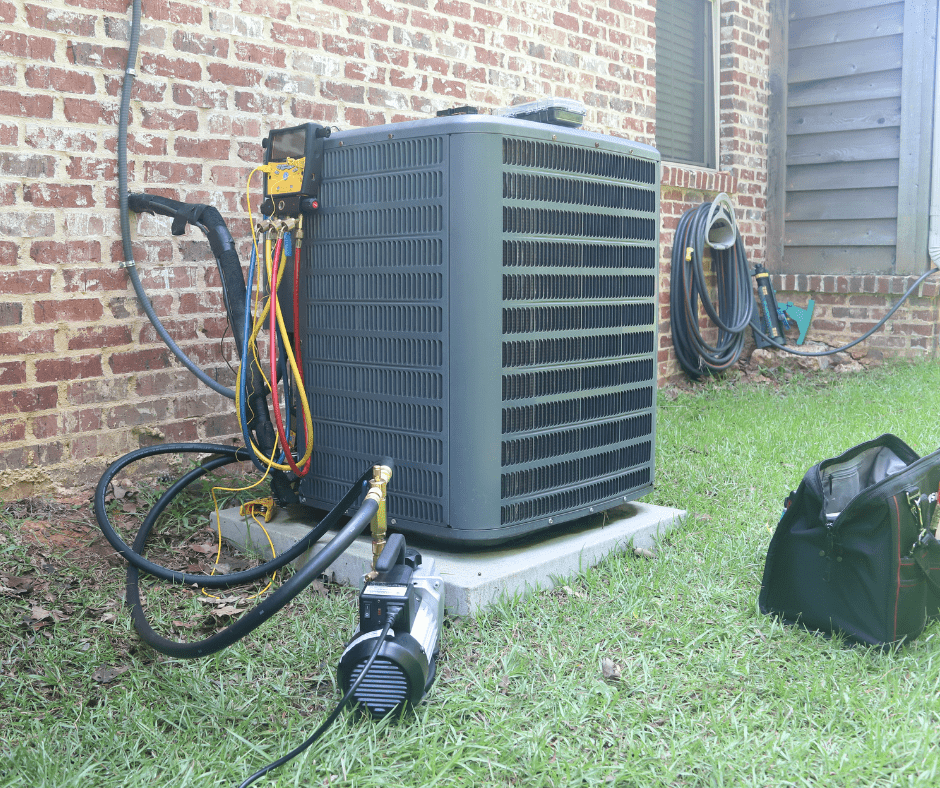
A Bluffton home may feel reasonably comfortable during the day, then become warm, humid, or stuffy after sunset. Bedrooms may feel hotter than the hallway, sheets may feel damp, or the thermostat may show the correct temperature even though the house still feels uncomfortable.
Nighttime discomfort does not always mean the air conditioner has failed. However, it can point to humidity problems, restricted airflow, leaky ductwork, thermostat settings, poor insulation, or declining AC performance.
In this guide, we will explain why your home may feel worse at night, what you can check safely, and when it is time to schedule professional AC repair.
Why Would a Home Feel More Uncomfortable at Night?
Outdoor temperatures usually begin dropping after sunset, but heat stored in the home does not disappear immediately.
During the day, the roof, attic, exterior walls, windows, and upper floors absorb heat. That heat may continue moving into the living space for hours after the sun goes down.
Nighttime discomfort may also become more noticeable because:
- Bedrooms are occupied for several hours
- Bedroom doors are closed
- Electronics and occupants add heat
- Thermostat schedules change
- The AC begins shorter cooling cycles
- Indoor humidity remains high
- Certain rooms receive less airflow
A system that fell behind during the afternoon may also spend much of the evening trying to recover.
Is the Problem Temperature, Humidity, or Both?
A room can feel uncomfortable even when the thermostat temperature appears normal.
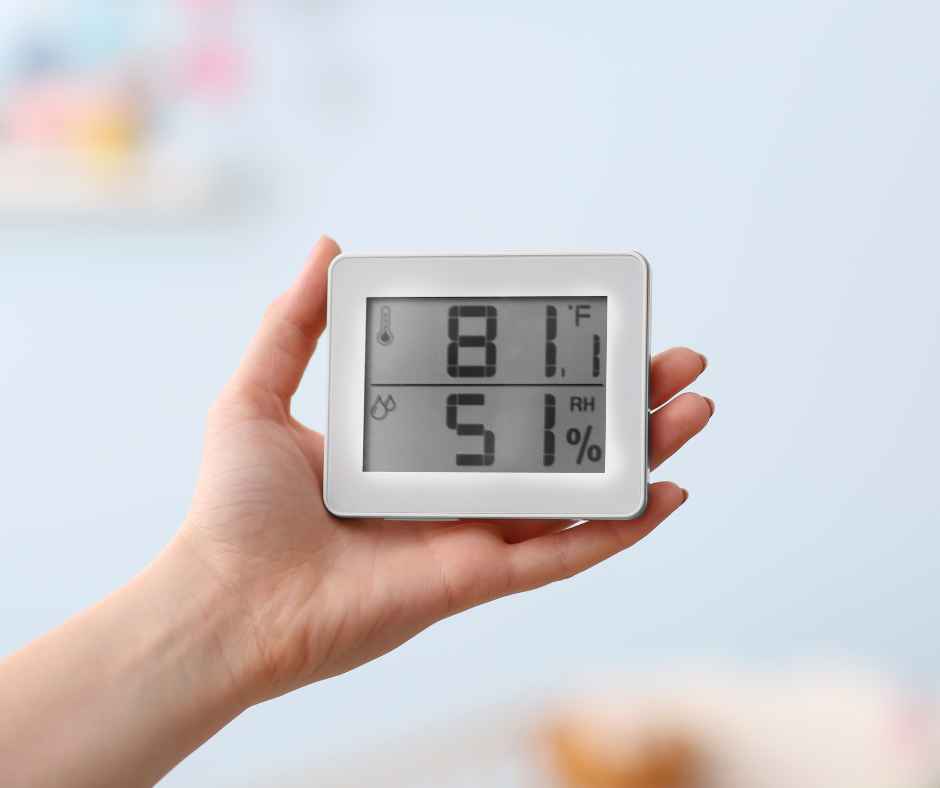
High humidity slows the evaporation of moisture from your skin, making the air feel warmer and heavier. This may create a clammy or sticky feeling even when the thermostat is set to a familiar temperature.
Signs of a humidity problem may include:
- Damp or sticky indoor air
- Condensation on vents or windows
- Musty odors
- Bedding that feels damp
- Long periods of discomfort without a major temperature increase
- An indoor humidity reading that remains elevated
Temperature and humidity problems can happen together, but they may have different causes.
An AC that cannot remove enough heat may leave the home too warm. A system that cycles too quickly may lower the temperature without operating long enough to remove sufficient moisture.
Why Bluffton Humidity Matters
Bluffton’s warm, humid conditions can place a substantial moisture load on an air conditioner.
The system removes humidity when warm indoor air passes over the cold evaporator coil. Moisture condenses on the coil and drains away through the condensate system.
Effective dehumidification depends on:
- Proper equipment sizing
- Adequate airflow
- Clean indoor coils
- Correct refrigerant operation
- Sufficient cooling cycle length
- A working condensate drain
Outdoor temperatures may fall at night while the air remains humid. If the AC begins running shorter cycles, moisture removal may decrease even though the home is no longer gaining heat as quickly.
Could the AC Be Short Cycling?
Short cycling occurs when the system starts and stops more frequently than it should.
This can reduce comfort because the AC may shut down before completing a long enough cycle to remove moisture and distribute conditioned air evenly.
Possible causes include:
- Oversized equipment
- A dirty air filter
- A thermostat problem
- Refrigerant trouble
- A frozen evaporator coil
- Electrical or control issues
- Restricted airflow
You may notice the system starting, running briefly, shutting off, and restarting again soon afterward.
Frequent cycling can increase wear on system components and may contribute to uneven temperatures and poor humidity control.
Could the Air Conditioner Be Oversized?
A larger air conditioner is not always better.
An oversized system may cool the area around the thermostat quickly and shut off before distant rooms become comfortable. Short cycles may also limit moisture removal.
Possible signs of oversizing include:
- Frequent, brief cooling cycles
- Cold air followed by rapid discomfort
- Uneven room temperatures
- High indoor humidity
- A clammy feeling despite a low thermostat setting
- Certain rooms remaining warm
Equipment size should be based on a heating and cooling load calculation, not square footage alone.
The calculation should account for insulation, windows, air leakage, ceiling height, occupancy, orientation, and duct conditions.
Could a Dirty Filter or Airflow Problem Be Involved?
Your AC needs steady airflow to cool and dehumidify the home.
A clogged filter can restrict air moving through the system and contribute to:
- Weak airflow
- Longer run times
- Uneven temperatures
- Coil freezing
- Higher energy use
- Poor moisture removal
Check the filter and replace it if it is visibly dirty.
Other airflow problems may involve:
- Dirty evaporator coils
- Blower motor issues
- Blocked return vents
- Closed supply vents
- Crushed ductwork
- Incorrect blower settings
A filter change may help, but persistent weak airflow should be evaluated professionally.
Why Bedrooms May Feel Warmer at Night
Bedrooms often become the focus of nighttime comfort problems because they may be located farther from the air handler or have limited return airflow.
Contributing factors may include:
- Long duct runs
- Closed bedroom doors
- Small or missing returns
- West-facing windows
- Heat stored in upper-floor walls
- Attic heat above the ceiling
- Electronics
- Multiple occupants
- Poor insulation
- Air leaks around windows
A bedroom may receive conditioned air through the supply vent but lack a clear path for air to return to the HVAC system.
This can create pressure imbalance and reduce airflow into the room.
Can Closed Doors Restrict Return Airflow?
Supply air entering a bedroom needs a way to leave.
When the door is closed, the room may become pressurized if there is no dedicated return vent or adequate return-air path. That pressure can reduce the amount of conditioned air entering through the supply vent.
Possible design solutions may include:
- Dedicated return vents
- Transfer grilles
- Jumper ducts
- Proper door undercuts
- Duct balancing
The correct solution depends on the home’s layout and duct design.
Keeping the door open may temporarily improve comfort, but persistent pressure or airflow problems should be evaluated as part of the HVAC system.
Could Leaky Ductwork Be Affecting Nighttime Comfort?
Ducts routed through an attic or crawlspace can lose cooled air before it reaches the rooms.
Potential duct problems include:
- Disconnected sections
- Loose joints
- Torn flexible ductwork
- Crushed ducts
- Poor insulation
- Undersized branches
- Air leaking into unconditioned spaces
Leaks in return ductwork may pull warm, humid air into the system. Supply leaks may release cooled air into the attic or crawlspace instead of the home.
Rooms farthest from the equipment are often affected most.
Duct problems can also increase AC run time and energy use while leaving bedrooms uncomfortable.
Could the Thermostat Be Misreading the Home?
The thermostat controls the system based on the temperature where it is installed.
A thermostat in a cool hallway may reach the setting before warmer bedrooms become comfortable. Performance may also be affected if the thermostat is:
- Near a supply vent
- Exposed to direct sunlight
- Close to a heat-producing appliance
- Poorly calibrated
- Programmed incorrectly
- Using an aggressive nighttime setback
Smart thermostat schedules, energy-saving modes, or temperature sensors can also change system operation after bedtime.
Check whether the nighttime schedule raises the temperature or reduces cooling sooner than expected.
The fan should generally be set to AUTO unless a technician recommends otherwise. Running the fan continuously may move moisture from the wet evaporator coil back into the home between cooling cycles on some systems.
Could the Evaporator Coil Be Dirty or Frozen?
The evaporator coil must absorb heat and collect moisture from indoor air.
A dirty or frozen coil may reduce cooling and dehumidification.
Possible warning signs include:
- Weak airflow
- Ice on the refrigerant line
- Water around the indoor unit
- Long cooling cycles
- Warm air from vents
- Rising indoor humidity
A frozen coil may result from restricted airflow, blower trouble, dirty coil surfaces, or refrigerant problems.
If you see ice, turn off cooling and schedule service. Allowing the ice to melt may restore airflow temporarily, but it does not correct the cause.
Could Low Refrigerant Be Reducing Comfort?
Low refrigerant can reduce the system’s ability to absorb heat and may cause the evaporator coil to freeze.
Signs may include:
- Reduced cooling
- Long run times
- Ice on the equipment
- Hissing or bubbling sounds
- Higher energy bills
- Warm air from vents
- Poor nighttime recovery
Refrigerant does not normally get used up. A low charge may indicate a leak or another system problem.
Adding refrigerant without finding the source may only provide temporary improvement. A technician should inspect the system and determine whether a repair is needed.
Why the Home May Stay Warm After Sunset
Heat stored during the day can continue entering the home after dark.
Common sources include:
- A hot attic
- Insufficient attic insulation
- Unsealed ceiling penetrations
- Older windows
- Poorly insulated walls
- Air leaks around doors
- Heat absorbed by upper floors
An AC may be working properly but struggling against excessive heat gain.
If nighttime discomfort is concentrated upstairs or below the attic, insulation and air sealing may need to be considered alongside HVAC repairs.
When Should You Call for AC Repair?
Schedule professional service if nighttime discomfort is accompanied by:
- Weak airflow
- Warm air from vents
- Frequent short cycling
- Ice on the system
- Water around the air handler
- Unusual noises
- Musty or electrical odors
- High indoor humidity
- Rising energy bills
- Rooms that never reach a comfortable temperature
- Failure to recover after sunset
A problem that happens every night is worth investigating, even if the system seems acceptable during the day.
Small airflow or performance issues may become more noticeable during humid weather and can worsen over time.
Restore Comfortable Nights in Your Bluffton Home
A Bluffton home that only feels uncomfortable at night may have a humidity, airflow, thermostat, ductwork, insulation, sizing, or AC performance problem.
The issue may be as simple as a clogged filter or thermostat schedule. It may also involve short cycling, leaky ducts, a frozen coil, refrigerant trouble, or equipment that is not properly matched to the home.
R.S. Andrews can evaluate your cooling system, measure airflow and humidity, inspect the equipment, and identify why certain rooms feel uncomfortable after sunset. If nighttime heat or humidity is affecting your sleep, contact us today to schedule professional AC service in Bluffton.
Heater on the fritz? Frustrated with plumbing problems? R.S. Andrews is just a call away!