Serving Bluffton, Hilton Head & Savannah
Spring Humidity Prep: Combating Mold and Indoor Air Quality Issues Before the South Carolina Summer Hits
Spring is the best time to get ahead of mold and indoor air quality problems in South Carolina homes. As heat and moisture build heading into summer, controlling indoor humidity, fixing moisture sources, improving filtration, and checking HVAC performance can help reduce mold risk, stale air, and comfort issues before they get harder to manage.
Many homeowners think indoor air problems start in summer. In reality, many of them start in spring, when rising outdoor moisture and longer AC use begin exposing weak spots inside the home. Mold grows where moisture is present, and indoor humidity that stays too high increases the likelihood of mold growth.
That is why spring prep matters so much in South Carolina. By the time peak-summer humidity arrives, small issues like a slow drain line, a damp crawl space, a dirty filter, or weak ventilation can turn into musty odors, mold growth, and a house that feels sticky even when the AC is running. Charleston climate data also shows the area moves into a long warm-season pattern that supports heavy AC use.
In this guide, you will learn how spring humidity contributes to mold and indoor air quality issues, what warning signs homeowners should watch for, and what to do now before South Carolina summer conditions worsen the problem.
Why Does Spring Humidity Matter So Much Before Summer?
Spring is when indoor moisture problems often start building momentum. Warmer outdoor air can carry more moisture, and as homes rely more on cooling systems, any existing weakness in humidity control or ventilation becomes more noticeable. High indoor humidity increases the likelihood of mold growth and can make indoor air feel heavier and less comfortable.
In other words, spring is the setup season. If the house is already damp, stale, or poorly ventilated now, it usually will not improve once South Carolina summer humidity is at full strength.
How Does Humidity Affect Mold Growth?
Mold needs moisture to grow. It can develop around leaks, wet materials, condensation, drain problems, and other damp areas, and it can spread on drywall, wood, fabric, carpet, insulation, and dust. The most effective way to control mold growth is to control moisture.
That is why mold prevention is not really a cleaning issue first. It is a moisture-control issue first. If the moisture source remains in place, the problem usually recurs.
What Indoor Air Quality Problems Show Up When Humidity Gets Too High?
When indoor humidity rises, many homes start to feel uncomfortable before homeowners even see visible mold. Common symptoms include:
- musty odors
- sticky or clammy indoor air
- condensation around vents or windows
- stale rooms that never feel fresh
- worsening dust and allergen discomfort
- damp areas near the air handler, drain lines, or crawl space
Higher indoor moisture can also increase the likelihood of mold and other indoor air problems.
Where Do Mold and Moisture Problems Usually Start?
In many homes, the first trouble spots are the places homeowners do not check often enough.
Common problem areas include:
- HVAC drain pans and condensate lines
- crawl spaces
- attics with moisture issues
- bathrooms with weak exhaust ventilation
- laundry areas
- around windows or roof leaks
- under sinks or near plumbing leaks
- basements or lower-level storage spaces
Mold can grow anywhere there is moisture, and hidden damp areas are among the most common places for it to establish itself.
Can Your HVAC System Make the Problem Better or Worse?
Yes. Your HVAC system plays a big role in indoor humidity and air quality.
If the system is dirty, overdue for maintenance, draining poorly, or moving air inadequately, indoor comfort usually suffers. If filtration is weak or ventilation is poor, the house can feel dustier, stuffier, and more humid than it should. Indoor air quality is shaped by source control, ventilation, and air cleaning together, not by temperature control alone.
That is why spring HVAC prep matters. A house that feels cool but clammy is often dealing with an air-quality and moisture-control problem, not just a temperature problem.
What Humidity Level Should Homeowners Aim For?
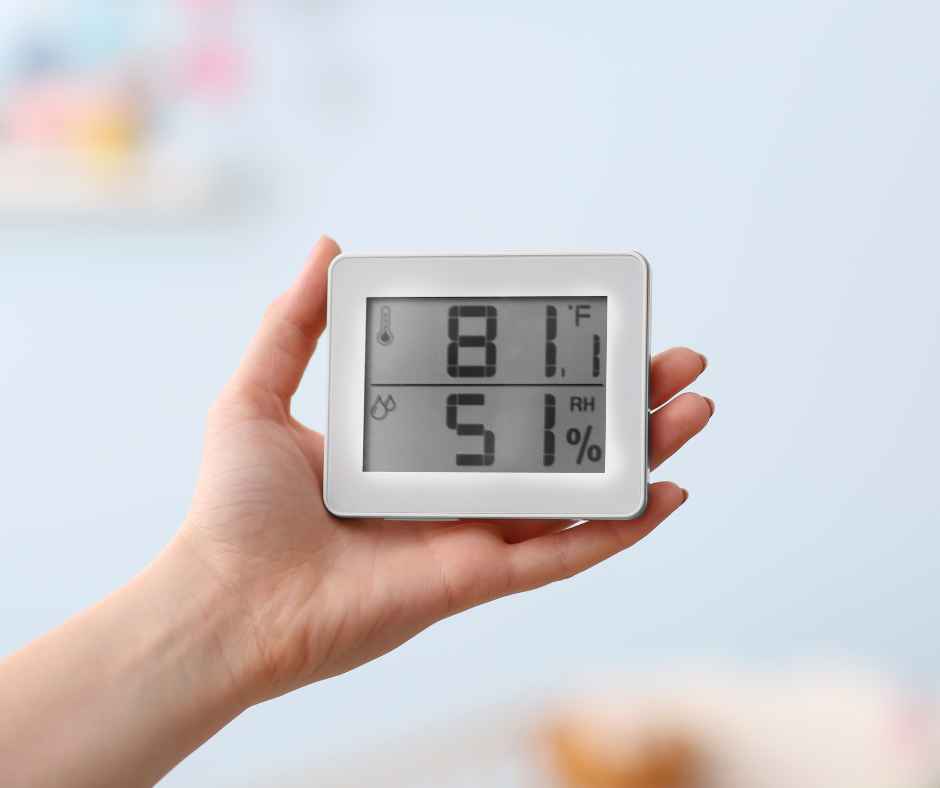
A practical target is to keep indoor humidity around 30% to 50%. That range helps reduce the likelihood of mold growth and other moisture-related indoor air problems.
If humidity is consistently above that range, the home is more likely to feel muggy and support moisture-related problems.
What Should Homeowners Do in Spring to Get Ahead of the Problem?
The most effective spring prep steps usually include:
- replacing HVAC filters on schedule
- checking condensate drain lines and drain pans
- addressing plumbing leaks quickly
- using bathroom exhaust fans consistently
- checking crawl spaces and attics for dampness
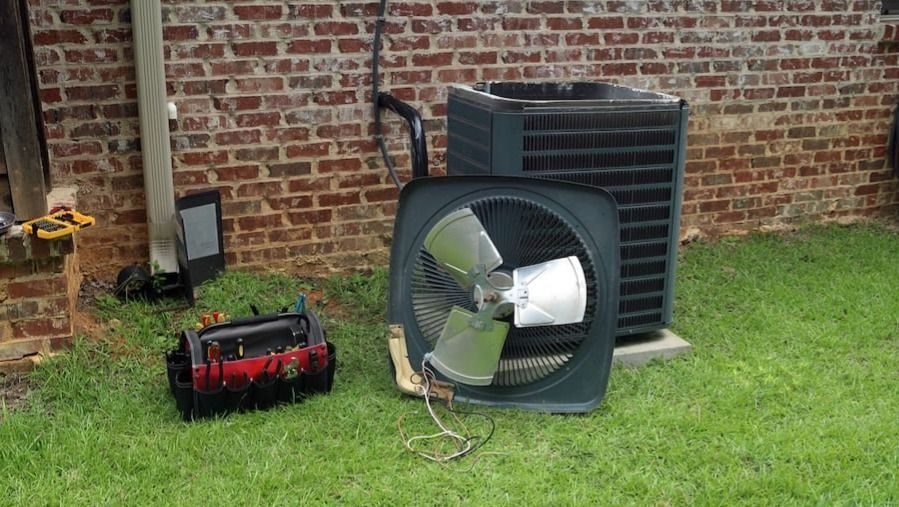
- making sure the AC system is draining and operating properly
- reducing indoor moisture sources wherever possible
- monitoring indoor humidity with a simple gauge
These steps line up with established indoor moisture and mold-prevention guidance: fix water problems quickly, control humidity, and address wet materials before mold has time to grow. EPA also warns that mold can begin growing on wet materials within 24 to 48 hours.
When Should Mold or Moisture Problems Be Taken Seriously?
Homeowners should act quickly if they notice:
- a persistent musty smell
- visible mold growth
- repeated dampness around the HVAC system
- condensation that keeps returning
- water stains on ceilings or walls
- worsening respiratory irritation indoors
- materials that stayed wet after a leak or overflow
Wet materials should be dried quickly, and moisture sources should be corrected to prevent the problem from recurring.
What Usually Makes the Biggest Difference Before Summer?
For most South Carolina homes, the biggest wins come from doing the basics early:
- Control indoor humidity before summer peaks
- Fix moisture problems instead of masking them
- Keep the HVAC system clean and draining properly
- Improve ventilation in damp rooms
- Replace filters and reduce airborne buildup
- Investigate musty smells before they turn into visible mold
Those steps usually do more for comfort and air quality than waiting until July and reacting once the home already feels damp and unhealthy.
Get Ahead of Summer Humidity Before It Gets Into the House
Mold and indoor air quality problems are much easier to prevent than to clean up after they spread. In South Carolina, spring is the right time to deal with indoor moisture, airflow, filtration, and HVAC drainage before the hottest and most humid stretch of the year arrives.
R.S. Andrews can help homeowners evaluate humidity-control issues, HVAC performance, and indoor air quality concerns before summer conditions worsen them. Contact us today to get started.
Heater on the fritz? Frustrated with plumbing problems? R.S. Andrews is just a call away!