Serving Bluffton, Hilton Head & Savannah

Water Heater Leaking from the Base? What Bluffton Homeowners Must Check Before Replacing
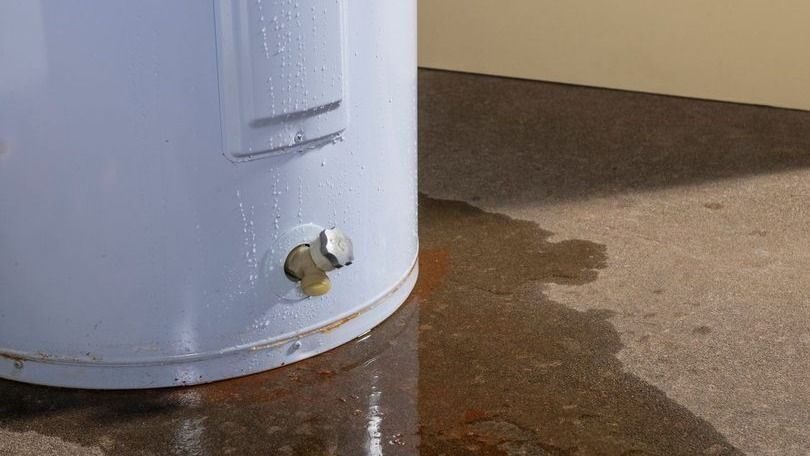
Finding water pooling around the base of your water heater can be concerning, especially if you’re unsure whether it needs a simple repair or an expensive replacement. While a leaking water heater can indicate serious equipment damage, moisture around the base doesn’t always mean the storage tank has failed.
For homeowners in Bluffton, SC, identifying the source of a water heater leak is the first step toward preventing water damage and avoiding unnecessary replacement costs. Sometimes, the problem is a loose connection, a faulty valve, or another component you can repair.
In this guide, we’ll explain why water heaters leak from the bottom, what homeowners can safely check, and how to decide whether repair or replacement is the better option.
Why Is Water Leaking from the Bottom of Your Water Heater?
When water collects beneath a water heater, it’s easy to assume the tank bottom is leaking. However, water can travel down the outside of the unit or along nearby pipes before collecting on the floor.
This means the visible location of the water isn’t necessarily where the problem started. Identifying the actual source is essential before deciding whether you need a replacement.
Common causes of water around a water heater include:
-
Loose plumbing connections: Water may drip from supply lines or fittings above the tank.
-
Leaking drain valve: A worn or damaged drain valve near the bottom can release water.
-
Temperature and pressure relief valve: Water may escape through the discharge pipe when the valve opens or malfunctions.
-
Condensation: Moisture can sometimes form during normal operation or under certain environmental conditions.
-
Internal tank corrosion: Deterioration inside the storage tank can eventually cause leaks.
-
Nearby plumbing problems: Water from another pipe or fixture may collect beneath the heater.
Some of these issues can be resolved without replacing the entire unit. Others, particularly leaks originating from the internal storage tank, typically require replacement.
Check These Common Leak Sources Before Assuming the Tank Has Failed
Before assuming your water heater needs replacement, visually inspect the surrounding area if it’s safe. You don’t need to disassemble the unit or remove access panels to spot certain warning signs.
Start by looking at the visible plumbing connections near the top of the water heater. Moisture around fittings or supply lines may indicate a connection problem rather than tank damage.
Next, check the following areas:
-
Drain valve: Look for water dripping from the valve or outlet near the bottom of the tank.
-
Supply connections: Check visible fittings and pipes for moisture, corrosion, or active dripping.
-
Relief valve discharge pipe: Observe whether water is coming from the discharge pipe connected to the temperature and pressure relief valve.
-
Tank exterior: Look for water trails running down the unit’s exterior.
-
Surrounding plumbing: Check whether water is coming from nearby pipes or fixtures.
The temperature and pressure relief valve is an important safety component. Never plug its discharge pipe, cap the valve, or attempt to prevent it from releasing water.
A leaking relief valve may indicate excessive pressure, overheating, or a problem with the valve itself. A professional plumber should determine the underlying cause before making repairs.
If you cannot identify the source through a safe visual inspection, schedule professional service rather than attempting to disassemble the water heater.
How Can You Tell If the Water Heater Tank Is Actually Leaking?
A leak originating from the internal storage tank is generally more serious than a leaking connection or valve. Traditional tank water heaters contain a steel storage tank that can deteriorate over time, even with protective linings and corrosion-resistant components.
As the tank ages, corrosion may eventually weaken the metal and create openings where water can escape. Once the tank develops an internal leak, you usually need to replace the water heater.
Possible warning signs include:
-
Water repeatedly collecting beneath the unit after you dry the surrounding area.
-
Visible rust or corrosion around the lower portion of the water heater.
-
Moisture appearing near the tank’s lower seam.
-
Rust-colored hot water, particularly when accompanied by other signs of deterioration.
-
Water continuing to appear despite no visible leaks from external connections.
These symptoms don’t always confirm internal tank failure. For example, rust-colored water may originate elsewhere in the plumbing system, while moisture near the bottom may come from a leaking drain valve.
A professional inspection can help determine whether the tank itself is damaged or whether a replaceable component is responsible.
What Should You Do Immediately If Your Water Heater Is Leaking?
If you discover an active water heater leak, take appropriate precautions to limit water damage and protect your household. Your response should depend on the amount of water escaping and whether the surrounding area is safe.
For significant leaks, shutting off the heater’s water supply may help prevent additional flooding. Many tank water heaters have a cold-water shutoff valve on the supply line entering the unit.
If you can’t safely access or operate that valve, you may need to shut off your home’s main water supply instead.
Additional safety precautions include:
-
Avoid electrical hazards: Stay away from standing water near outlets, appliances, or electrical equipment.
-
Do not touch wet electrical controls: Contact a qualified professional if water has reached electrical components.
-
Avoid operating damaged equipment: Evaluate a significant leak before continued use.
-
Watch for gas-related hazards: If you smell gas, leave the area and contact your gas utility or emergency services from a safe location.
-
Protect nearby belongings: Move valuables away from affected areas when safe.
-
Document visible damage: Photos may help if you need to file an insurance claim.
Depending on the water heater type, you may also need to shut down the heating source. However, gas and electric models have different operating requirements, so follow the manufacturer’s instructions only when the controls are dry and safely accessible.
If you’re unsure how to shut down the equipment safely, contact a professional plumber for guidance.
When Can a Leaking Water Heater Be Repaired Instead of Replaced?
Not every water heater leak requires purchasing a new unit. If the problem involves an external component and the storage tank remains in good condition, a professional can repair it and restore normal operation.
For example, a leaking drain valve may be replaceable, while a loose or deteriorated plumbing connection may require repair. Problems with the temperature and pressure relief valve may also be repairable once the underlying cause is identified.
Repair may be appropriate when:
-
The leak originates from a replaceable valve or fitting.
-
The storage tank shows no evidence of structural failure.
-
The water heater is relatively new and otherwise operates reliably.
-
Repair costs are reasonable compared with replacement.
-
There are no significant safety concerns or widespread equipment problems.
A professional plumber can evaluate the leak source and determine whether repairing the affected component is a practical long-term solution.
When Does a Water Heater Leak Mean Replacement Is Necessary?
Traditional tank water heaters typically last about 8 to 12 years, though actual lifespan depends on maintenance, water conditions, installation quality, and usage. Some units operate longer, while others experience problems earlier.
If the internal storage tank has developed a leak, replacement is generally the appropriate solution. Unlike external valves and fittings, a corroded storage tank typically cannot be restored to reliable service through routine repairs.
Other reasons to consider replacement include repeated breakdowns, extensive corrosion, and declining performance. A water heater approaching the end of its expected lifespan may also be a less attractive repair investment when significant problems develop.
However, equipment age alone shouldn’t determine the decision. A professional evaluation can help compare repair costs, overall condition, and the potential benefits of installing a new water heater.
For Bluffton homeowners, replacing an aging unit before a major tank failure may also reduce the risk of unexpected water damage.
How Can Bluffton Homeowners Prevent Water Heater Leaks?
Regular water heater maintenance can help identify developing problems before they cause extensive damage. Although maintenance cannot prevent every leak, it can support reliable operation and help homeowners spot deteriorating equipment.
Bluffton’s humid Lowcountry climate can make moisture around equipment harder to interpret, especially in garages and utility spaces. However, persistent pooling should never be dismissed as ordinary humidity without identifying its source.
Homeowners can take several preventative steps:
-
Inspect visible connections: Periodically look for dripping, corrosion, or moisture around accessible fittings.
-
Watch for pooling water: Investigate unexplained moisture beneath or around the unit.
-
Schedule professional maintenance: Routine inspections can identify worn components and developing concerns.
-
Address sediment buildup: Follow manufacturer recommendations for flushing or other maintenance.
-
Check corrosion protection: Have the anode rod inspected when the water heater design calls for it.
-
Consider leak detection: Water alarms can provide early notification when moisture appears near the unit.
Sediment accumulation and corrosion can affect water heater performance over time. Professional maintenance can help determine whether these issues require attention and whether the equipment remains in good condition.
Homeowners should also avoid operating relief valves or performing internal maintenance without understanding the manufacturer’s procedures and associated risks.
Get Water Heater Leak Repair and Replacement Guidance From R.S. Andrews
Water collecting beneath your water heater doesn’t automatically mean you need to replace the entire unit. Leaking connections, drain valves, and other serviceable components can sometimes be repaired, while internal tank failure generally requires installing a new water heater.
For Bluffton homeowners, identifying the leak’s source is essential to prevent unnecessary expenses and limit potential water damage. A professional inspection can help determine whether repairs will restore reliable operation or whether replacement offers better long-term value.
At R.S. Andrews, we help homeowners throughout Bluffton, Hilton Head Island, and surrounding Lowcountry communities address water heater problems. Our team can inspect leaking equipment, identify the source of moisture, and recommend appropriate repair or replacement solutions.
Whether you’ve noticed a small puddle beneath your water heater or are dealing with an active leak, timely professional service can help protect your home. Contact R.S. Andrews today to schedule water heater repair or replacement in Bluffton and get the guidance you need to restore dependable hot water.
Heater on the fritz? Frustrated with plumbing problems? R.S. Andrews is just a call away!