Serving Bluffton, Hilton Head & Savannah
Is Your Old AC Unit Costing Too Much in Bluffton? When to Consider a New System
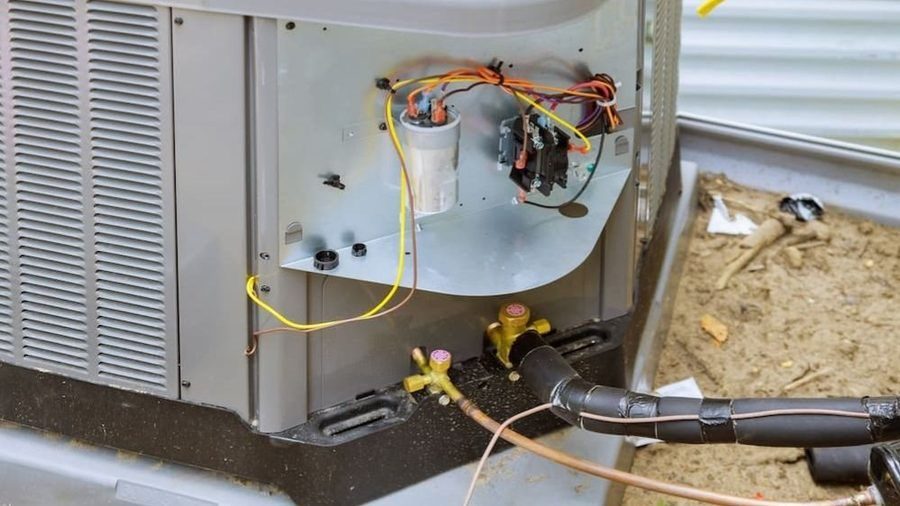
An older air conditioner can still run, but it can quietly become more expensive to own. Longer cooling cycles, rising energy use, frequent repairs, uneven temperatures, and poor humidity control can all signal that the system is losing performance and reliability.
In this guide, you will learn how to tell whether your Bluffton AC is becoming too costly to keep, when another repair may still make sense, and when replacement is worth considering. The goal is not to replace an older system simply because of its age, but to recognize when repair costs, comfort problems, and operating expenses are beginning to outweigh the value of keeping it.
When Is an Old AC Costing Too Much to Keep?
An older AC becomes harder to justify when it costs more to operate, needs frequent service, and no longer keeps the home consistently comfortable.
Watch for a combination of signs such as:
-
Rising cooling costs
-
Longer AC cycles
-
Frequent repair calls
-
Difficulty reaching the thermostat setting
-
Uneven temperatures
-
Poor humidity control
-
Increasing noise
-
Declining reliability
One symptom does not automatically mean replacement is necessary. A clogged filter, dirty coil, or isolated component failure may still be worth repairing.
The decision becomes clearer when several problems appear together and worsen despite service.
Why Do Older Air Conditioners Often Cost More to Run?
As an air conditioner ages, wear on components can reduce how effectively the system cools the home. The AC may need to operate longer to remove the same amount of heat, which can increase energy use.
However, higher utility bills don’t automatically mean the AC is failing.
Cooling costs can also rise because of:
-
Hotter weather
-
Utility-rate changes
-
Lower thermostat settings
-
More time spent at home
-
Duct leakage
-
Poor insulation
-
Air leaks
-
Dirty filters
The strongest warning sign is a pattern. If your energy use is increasing while the AC runs longer and the home feels less comfortable, declining system performance is more likely.
Compare similar weather periods when possible rather than looking at the bill total alone.
Why Is Your AC Running Longer Than It Used To?
Long cooling cycles can be normal during especially hot Bluffton weather. The concern is when the system begins running much longer than it did under similar conditions in previous years.
Possible causes include:
-
Restricted airflow
-
Dirty evaporator or condenser coils
-
Refrigerant-related performance problems
-
Duct leakage
-
Thermostat issues
-
Aging mechanical components
-
Equipment that is no longer performing at its previous capacity
A dirty filter is an easy first check, but constant runtime should not automatically be blamed on maintenance.
If the AC runs for hours without reaching the thermostat setting, produces weak airflow, or struggles well into the evening, professional diagnosis can help determine whether the problem is repairable or part of broader equipment decline.
When Do Frequent AC Repairs Stop Making Financial Sense?
One repair does not mean an air conditioner should be replaced.
The calculation changes when service calls start becoming routine.
Replacement becomes more worth considering when:
-
Repairs are needed every cooling season
-
Different components keep failing
-
The same problem repeatedly returns
-
Repair spending is accumulating
-
The system remains unreliable after service
-
Comfort continues to decline
The price of the current repair matters, but so does what you are likely to get afterward.
A modest repair on an otherwise healthy system may provide excellent value. Another repair on an aging AC that has already needed several major fixes may simply postpone the next breakdown.
Reliability after the repair should factor into the financial decision.
What Does Uneven or Inadequate Cooling Tell You?
Rooms that stay warmer than others can signal AC trouble, but the outdoor unit isn’t always the cause.
Uneven temperatures may result from:
-
Leaky ductwork
-
Restricted airflow
-
Poor return-air design
-
Damaged ducts
-
Insulation problems
-
Air leakage
-
Improper system sizing
-
Declining AC performance
This matters when considering replacement because a new air conditioner cannot automatically correct problems elsewhere in the home.
If one bedroom has always been warmer, even when the current AC was newer, the issue may involve duct distribution or heat entering that room. Replacing the equipment without addressing those conditions may leave the comfort problem unchanged.
A complete evaluation should look at the AC and the home it serves.
How Much Should the Age of Your AC Affect the Decision?
Age is useful as context, not as an automatic replacement trigger.
As equipment gets older, the likelihood of component wear, lower efficiency, and repair needs increases. But two AC systems of the same age can perform very differently depending on maintenance, installation quality, usage, and operating conditions.
Consider age alongside:
-
Repair history
-
Cooling performance
-
Energy consumption
-
Maintenance history
-
Major component condition
-
Parts availability
-
Overall reliability
An older system that still cools effectively and has needed little repair may remain worth maintaining.
An older AC that is expensive to operate, repeatedly breaks down, and no longer controls temperature or humidity well deserves a serious replacement comparison.
Could Something Besides the AC Be Driving Up Your Energy Bills?
Yes. Replacing the AC will not solve every source of high cooling costs.
Your home may also be losing conditioned air or gaining excessive outdoor heat because of:
-
Leaky ductwork
-
Poor attic insulation
-
Air leaks around doors and windows
-
Deteriorated weatherstripping
-
Excessive sun exposure
-
Thermostat habits
-
Restricted airflow
A duct leak can allow cooled air to escape before it reaches the rooms. Poor insulation can let heat enter the home faster than the system can remove it.
That can make an otherwise functional air conditioner run longer.
This is why a replacement recommendation should consider the broader home-comfort system. If the biggest problem is outside the AC itself, addressing that issue may improve comfort without replacing equipment prematurely.
How Much More Efficient Can a New AC Be?
Newer air conditioners can be more efficient than older systems, but actual savings vary from home to home.
When comparing replacement equipment, homeowners should consider:
-
SEER2 efficiency
-
Single-stage versus multi-stage operation
-
Variable-capacity options
-
Humidity control
-
Proper system sizing
-
Duct condition
-
Installation quality
-
Warranty coverage
Higher efficiency can reduce the electricity required for cooling, but equipment ratings don’t tell the whole story.
An efficient system connected to leaking ducts or installed incorrectly may not deliver the expected performance. Likewise, an oversized AC may cool quickly but cycle too often, which can affect comfort and humidity control.
To get the value you’re paying for, the system must be selected, installed, and tested correctly.
Why Does Proper AC Sizing Matter in Bluffton’s Heat and Humidity?
Bluffton homeowners need more than cold air. The system also has to manage humidity during long periods of warm, humid weather.
A larger AC is not automatically better.
An oversized system may cool the house quickly and shut off before it has enough operating time to remove adequate moisture. That can leave the indoor temperature acceptable while the house still feels sticky or clammy.
An undersized system can create the opposite problem by running continuously and struggling to reach the thermostat setting.
Proper sizing should consider factors such as:
-
Home size
-
Insulation
-
Windows
-
Sun exposure
-
Air leakage
-
Layout
-
Occupancy
-
Local climate
Choose replacement equipment based on the home’s actual cooling load, not simply by matching or increasing the old unit’s capacity.
Should You Repair Your Current AC or Replace It?
Repair may still make sense when:
-
The problem is isolated
-
The system has otherwise been reliable
-
Cooling performance was good before the failure
-
The equipment is appropriately sized
-
The repair is expected to restore dependable operation
-
Other major components remain in good condition
Replacement deserves stronger consideration when:
-
Repairs are becoming frequent
-
Energy use continues rising
-
Comfort keeps declining
-
Major components are deteriorating
-
Humidity control is poor
-
The system is older and increasingly inefficient
-
You no longer trust the AC to make it through the season
The smartest choice depends on the condition of the entire system, not one repair estimate.
Ask what failed, what condition the major components are in, and how much confidence you should have in the equipment after the repair.
What Should an HVAC Technician Check Before Recommending Replacement?
A replacement recommendation should follow a complete diagnosis.
An HVAC technician may evaluate:
-
Filter condition
-
Supply and return airflow
-
Evaporator coil
-
Outdoor condenser
-
Refrigerant-system performance
-
Thermostat operation
-
Electrical components
-
Ductwork
-
Equipment age
-
Repair history
-
Cooling capacity
-
Overall system condition
This evaluation helps determine whether the AC itself is failing or whether another problem is making the system appear less effective.
If a relatively simple repair can restore normal performance, replacement may be unnecessary. If the system has several developing problems and poor long-term reliability, a new AC may provide better overall value.
Replace for Better Value, Not Just Because the AC Is Old
An older AC does not need to be replaced simply because it has reached a certain age. A stronger case for replacement comes from a combination of rising energy use, frequent repairs, declining comfort, long runtime, poor humidity control, and worsening reliability.
Before deciding, consider whether the current system can be repaired in a way that restores dependable performance. If it cannot, replacement may offer better long-term value and more consistent comfort through Bluffton’s hot, humid cooling season.
R.S. Andrews helps Bluffton homeowners diagnose AC problems, complete repairs when the existing system is still worth maintaining, and compare replacement options when operating costs and reliability are trending in the wrong direction. If your old AC runs longer, costs more, or struggles to keep your home comfortable, contact us today to schedule a professional cooling evaluation.
Heater on the fritz? Frustrated with plumbing problems? R.S. Andrews is just a call away!