Serving Bluffton, Hilton Head & Savannah

Why Your Bluffton Home Might Feel Sticky Even With the AC On
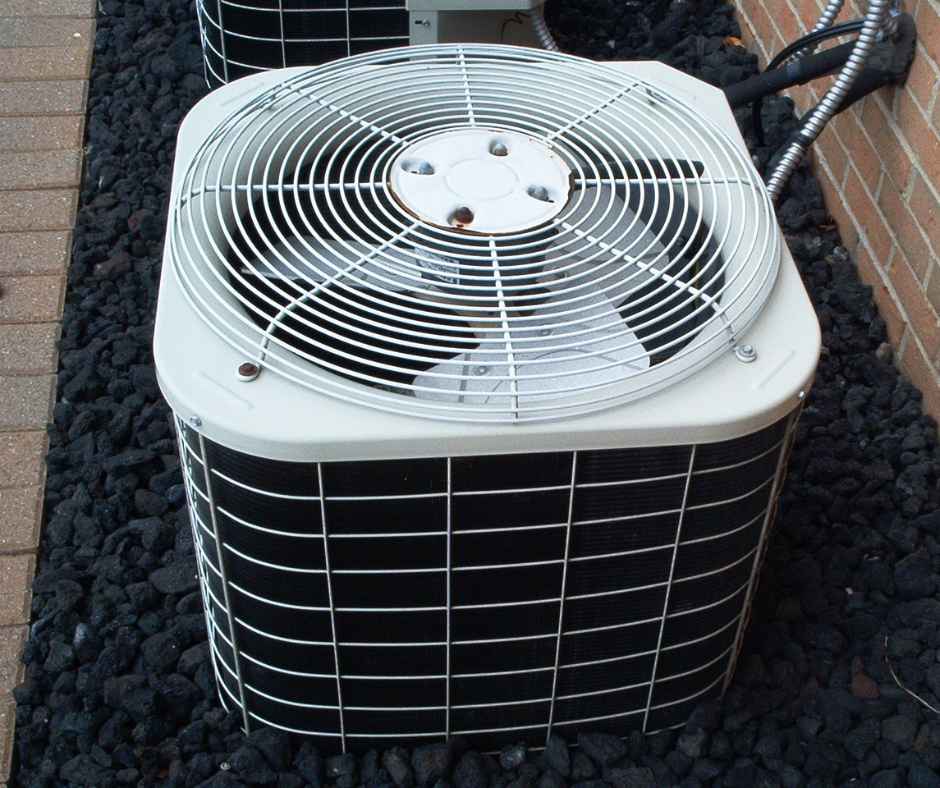
Living in the Lowcountry offers beautiful coastal views and a relaxed pace of life, but it also brings a level of humidity that can feel overwhelming. Many homeowners in Bluffton find themselves retreating indoors to escape the thick summer air, only to discover that the “sticky” feeling has followed them inside. It is a frustrating experience to set your thermostat to a cool 72 degrees and still feel like you are walking through a swamp. This phenomenon occurs because true indoor comfort is about more than just the temperature on a digital display; it is about the delicate balance of moisture in your living space.
In this blog, we will explore the science behind indoor humidity and explain why your cooling system might be struggling to keep you dry even when the air feels cold. Understanding the relationship between moisture and heat is the first step toward reclaiming a crisp, comfortable environment for your family.
Why Does My Bluffton Home Feel Humid Even With the Air Conditioning Running?
Bluffton sits in a unique geographic location where the Atlantic Ocean and local marshlands create a consistent, heavy supply of moisture. When the relative humidity outside climbs above 70 percent, your home essentially becomes a target for vapor pressure. This physical pressure pushes moist air through small gaps in your windows, doors, and even through the porous materials of your walls. If your air conditioner is cycling and the air coming out of the vents is cold, but your skin still feels clammy, several factors are likely at play:
- Extremely High Local Dew Points: In coastal South Carolina, the dew point often stays high throughout the summer. This makes it significantly harder for standard air conditioning units to keep up with the massive moisture load present in the environment.
- Incorrect Thermostat Fan Settings: If you keep your HVAC fan set to “On” rather than “Auto,” the system may recirculate moisture back into your home. This happens because the fan continues to run over the wet evaporator coils after the cooling cycle ends, re-evaporating water back into your ducts.
- Air Infiltration Issues: Many older Bluffton homes have minor air leaks in the building envelope. These leaks allow the heavy, moisture-laden outside air to seep in, which can quickly neutralize the dehumidification efforts of even a high-quality HVAC system.
- Inadequate System Run Times: If your system reaches the target temperature too quickly, it does not run long enough to remove a meaningful amount of water from the air. This often leaves the house feeling cold but damp.
The distinction between “cooling” and “dehumidifying” is vital for South Carolina residents. While the heat is a major concern, the water vapor suspended in it is what truly causes the distinct physical discomfort and lethargy during a Bluffton summer.
How Does An Air Conditioner Actually Remove Moisture From The Air?
Many homeowners believe that an air conditioner simply creates cold air and pumps it into the room. However, the process is actually more about removing heat and moisture. Your AC works like a giant dehumidifier by using a fundamental principle of physics: as air cools, it loses its ability to hold water vapor. When the warm, humid air from your living room passes over the freezing cold evaporator coils inside your indoor unit, the moisture in that air hits its dew point and turns into liquid water. This process is essential for achieving a crisp indoor environment, and it relies on several key components working in perfect harmony:
- The Evaporator Coil: The heart of the dehumidification process. As the refrigerant inside the coil evaporates, it removes heat and moisture from the air passing over it.
- Condensation and Drainage: Once water vapor condenses on the coils, it drips into a primary drain pan and flows out of your home through a condensate line.
- The Blower Motor: The fan must move air at the correct speed. If the air moves too quickly, it does not spend enough time in contact with the cold coils to drop its moisture.
- Latent Heat Removal: The technical term for removing the energy required to convert water vapor into liquid water. A high-performance system spends a significant portion of its energy on this latent cooling rather than just lowering the sensible temperature you see on the thermostat.
Without this phase of moisture extraction, the air in your home would remain heavy and saturated. This explains why a cooling system that is not properly tuned can leave you feeling cold but damp, a state often referred to as a clammy environment.
Why Is My AC Failing To Dehumidify My House Properly?
If your system is blowing cold air but the stickiness remains, there is likely a mechanical or design flaw preventing the dehumidification cycle from completing. In the Lowcountry, our systems have to work twice as hard to manage the latent load of coastal humidity. When the balance is off, the moisture stays suspended in the air. Here are the most common reasons your AC is failing to keep you dry:
- The System Is Oversized: This is a very common issue in Bluffton developments. If an AC unit is too powerful for the home’s square footage, it will reach the set temperature too quickly. This results in short cycling, where the unit turns off before it has had enough time to pull moisture out of the air.
- Frozen Or Dirty Evaporator Coils: If your coils are covered in dust or have frozen over due to restricted airflow, they cannot effectively absorb heat or moisture. The air simply bounces off the debris or ice without the necessary thermal exchange.
- Clogged Condensate Lines: If the water your AC has already pulled from the air cannot drain, it can pool in the pan or shut the system down. In some cases, high humidity levels in the closet or attic can actually feed back into the home if the drainage is sluggish.
- Low Refrigerant Levels: When your system is low on charge, the coils do not get cold enough to reach the dew point. The unit might run for hours and provide a slight breeze, but it will never successfully strip the moisture from the atmosphere.
- Aging Equipment: Older units lose their efficiency and their ability to manage heavy moisture loads. As components wear down, the precision required for high-level dehumidification begins to fade.
Identifying these issues early is the key to avoiding a miserable summer. A system that short-cycles might keep the thermostat at 70 degrees, but it will leave the relative humidity in the 60 to 70 percent range, which is far above the ideal comfort zone.
What External Factors Are Making My House Feel Damp And Sticky?
While your HVAC system is the primary defense against moisture, your home’s structure often works against it. In many Bluffton properties, the building envelope is not as airtight as it needs to be for a coastal climate. When outside air enters the home through unintended gaps, it brings a heavy load of water vapor that can overwhelm even the most efficient air conditioner. These external contributors are often invisible to the naked eye, yet they play a significant role in your daily comfort. Some of the most common structural culprits include:
- Leaking Attic Ductwork: If your ducts are located in a hot, humid attic and have even minor leaks, they can pull in damp air and distribute it throughout your home. This bypasses the cooling process entirely and injects humidity directly into your living spaces.
- Inadequate Attic Insulation: Poor insulation allows radiant heat from the roof to seep into the ceiling. This heat raises the temperature of the air inside your home, forcing the AC to run more often without necessarily addressing the moisture levels.
- Gaps Around Windows And Doors: Coastal winds can push humid air through small cracks in weatherstripping. Over time, the salt air in Bluffton can degrade these seals, leading to significant air infiltration.
- Moisture From The Crawl Space: Many homes in our area are built on crawl spaces. If these areas are not encapsulated or properly vented, ground moisture can rise up through the floorboards and create a damp, musty feeling in the main living areas.
Addressing these external factors is a critical part of a holistic approach to indoor air quality. By sealing these gaps, you reduce the workload on your HVAC system and make it much easier to maintain a dry environment.
What Are The Best Solutions For High Indoor Humidity In Bluffton Homes?
If traditional air conditioning is not enough to keep your home comfortable, several professional-grade solutions are available to Bluffton homeowners. Modern technology has made it possible to separate the cooling and dehumidification processes, allowing much finer control over your indoor climate. Implementing the right combination of tools can transform a sticky, uncomfortable house into a crisp sanctuary. Consider these effective options:
- Whole-Home Dehumidification Systems: These units are integrated directly into your existing HVAC ductwork. They work independently of the air conditioner to pull moisture from the air, so your home can stay dry even on days when the AC isn’t running.
- Variable Speed Blower Motors: Unlike traditional fans that are either on or off, variable speed motors can run at lower speeds for longer periods. This allows the air to remain in contact with the cooling coils for longer, maximizing moisture removal without over-cooling the home.
- Smart Thermostats With Humidity Control: High-end thermostats can monitor relative humidity levels and adjust your HVAC system’s performance accordingly. Some models can even automatically slow the fan speed when high humidity is detected.
- Regular Preventive Maintenance: A professional technician from R.S. Andrews can ensure your refrigerant levels are perfect and your coils are pristine. Regular cleanings prevent the buildup that often leads to poor dehumidification performance.
By investing in these solutions, you are not just improving your comfort: you are also protecting your home from the long-term effects of high humidity, such as mold growth and wood warping.
Restore Your Comfort With R.S. Andrews
Managing the humidity in a coastal environment like Bluffton requires a specialized understanding of both local climate trends and advanced mechanical systems. If your home feels like a sauna even when the air conditioner is running, it is time to look beyond the thermostat and address the root cause of the moisture.
At R.S. Andrews, our team of specialists is dedicated to helping local homeowners achieve the perfect indoor balance. We provide comprehensive inspections, system-sizing audits, and the latest in dehumidification technology to ensure your living space remains a dry, cool retreat.
Don’t settle for a home that feels sticky and oppressive. Contact us today to schedule your indoor air quality assessment and take the first step toward a more comfortable, healthy home.
Heater on the fritz? Frustrated with plumbing problems? R.S. Andrews is just a call away!