Serving Bluffton, Hilton Head & Savannah

Why Water Heaters Work Harder for Bluffton Families During Cooler Months
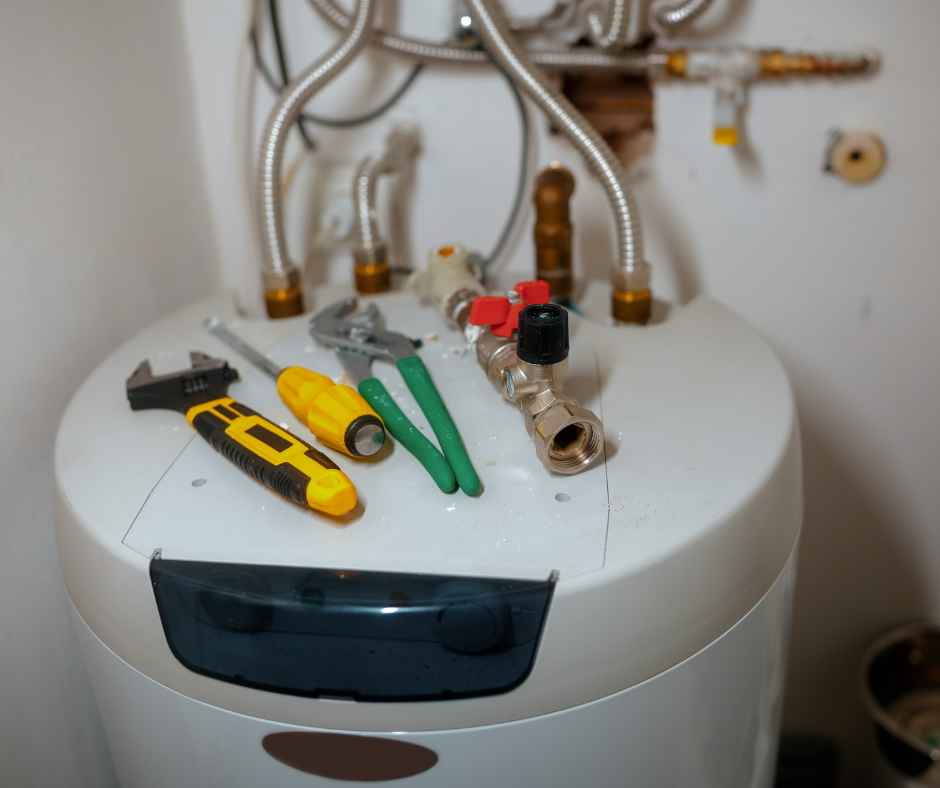
Bluffton may be known for its mild winters, but that doesn’t mean local water heaters get a break. As temperatures drop, even slightly, water entering your home’s plumbing system becomes colder. That cooler water takes longer to heat and requires more energy, which means your water heater has to work harder to deliver the same comfort your family enjoys in the summer.
For Bluffton families, this often becomes most noticeable during the morning rush when multiple showers, dishwashers, and washing machines run at once. If your water seems lukewarm or takes longer to heat up, it may not be a sign of failure but simply a response to seasonal demand.
In this blog, we’ll explain why water heaters work harder during cooler months, how to spot signs of strain, and what you can do to keep your hot water reliable and efficient all winter long.
How Cooler Weather Impacts Your Water Heater
When Bluffton’s temperatures dip, even by a few degrees, your water heater feels the difference. The water entering your home’s plumbing system comes from underground sources that cool off as the air temperature drops. That colder incoming water takes longer to heat, which increases the workload on your system.
The difference might not seem dramatic, but it has a real impact on performance and energy use. A typical water heater must work 10 to 20 percent harder in cooler months to bring water up to your preferred temperature. For electric models, this means longer heating cycles. For gas units, it means more frequent burner use. Both lead to higher energy bills if the system isn’t running efficiently.
Factors that cause extra strain in cooler weather include:
- Lower water supply temperature: Cold groundwater requires more energy to heat.
- Increased household demand: Families tend to take longer showers and run more hot water when it’s chilly.
- Slower recovery time: Once a tank’s hot water is used, it takes longer to reheat a new supply.
- Ambient air temperature: If your water heater is located in a garage or crawl space, cold air surrounding the unit can make it less efficient.
When you notice slower heating times or inconsistent temperatures, it’s a sign your system is working harder than usual. Regular maintenance and efficiency checks help ensure it can handle Bluffton’s seasonal changes without overexerting itself.
Signs Your Water Heater Is Struggling
When the weather cools down in Bluffton, your water heater naturally works harder to keep up with demand. But if your system starts showing signs of strain, it may be more than just seasonal stress. Recognizing early warning signs helps you avoid unexpected breakdowns and costly repairs.
Common indicators your water heater is struggling include:
- Lukewarm water: If your showers feel cooler than usual, it could be a sign the unit is having trouble keeping up with demand or heating efficiently.
- Longer heating times: When it takes noticeably longer to get hot water, sediment buildup or aging components may be slowing performance.
- Fluctuating temperatures: Inconsistent water temperature is often caused by a failing thermostat or heating element.
- Strange noises: Rumbling or popping sounds may mean sediment has settled at the bottom of the tank, forcing your unit to work harder.
- Rusty or discolored water: Corrosion inside the tank or connecting pipes can affect water quality and signal that the unit is nearing the end of its life.
- Higher energy bills: If your utility costs rise without a clear reason, your water heater could be losing efficiency.
These problems often start small and gradually worsen as the system faces seasonal stress. Addressing them early with a professional inspection can prevent the inconvenience of losing hot water during Bluffton’s cooler months.
The Role of Water Temperature and Usage Patterns
Water heaters in Bluffton homes don’t just work harder because of the weather. How your family uses hot water during cooler months also affects performance and efficiency. When temperatures drop, daily routines change, and that shift often leads to higher demand.
Families tend to take longer, hotter showers in the winter, and appliances like washing machines and dishwashers use more hot water to clean effectively in cooler conditions. This extra demand means your water heater cycles more often and runs longer to maintain a steady supply.
A few factors that increase strain on your system include:
- Higher household usage: More time indoors often means additional laundry, cooking, and cleaning.
- Simultaneous demand: Running showers and appliances at the same time depletes your tank more quickly.
- Lower inlet water temperature: Cooler incoming water requires more energy to reach the set temperature.
- Thermostat settings: Many homeowners increase their water temperature setting during winter, which adds extra workload.
Even small changes in how your household uses hot water can make a difference. Staggering showers, adjusting appliance cycles, and setting your water heater between 120°F and 125°F can help balance comfort and efficiency during Bluffton’s cooler season.
Energy Efficiency Challenges in Cooler Months
As Bluffton’s temperatures dip, water heaters often consume more energy to maintain comfort. The reason is simple: colder incoming water requires more heat, and that extra effort increases both runtime and energy use. Even efficient models can struggle to maintain performance if they are not properly maintained or insulated.
Many homes in the Bluffton area have water heaters located in unconditioned spaces such as garages or attics. When the surrounding air is cooler, heat loss from the tank happens faster, forcing the system to reheat water more frequently. Over time, this cycle reduces efficiency and shortens the unit’s lifespan.
Ways to improve efficiency during cooler months include:
- Insulate the tank: Adding a water heater blanket helps reduce standby heat loss.
- Insulate pipes: Wrapping hot water lines prevents heat from escaping as water travels to faucets and fixtures.
- Lower the temperature setting: Keeping your thermostat between 120°F and 125°F saves energy without sacrificing comfort.
- Flush sediment buildup: Sediment acts as insulation inside the tank, making the system use more energy to heat water.
- Schedule seasonal maintenance: A professional tune-up ensures burners, elements, and thermostats are working efficiently.
Small adjustments like these can have a noticeable effect on energy bills. By minimizing heat loss and improving system performance, Bluffton families can keep hot water available and energy costs in check all winter long.
When to Consider an Upgrade or Repair
Even the best-maintained water heaters eventually wear out. For many Bluffton homes, cooler months highlight performance issues that have been building for years. If your water heater struggles to keep up, makes unusual noises, or constantly needs adjustment, it may be time to decide between repair and replacement.
Most traditional tank-style water heaters last around 8 to 12 years, while tankless models can last up to 20 years with proper care. The key is knowing when a simple repair is enough and when replacement will save you money and energy in the long run.
You may need professional repair or replacement if you notice:
- Rust or corrosion on the tank or water connections
- Frequent lukewarm water or inconsistent temperatures
- Leaks or pooling water near the base of the unit
- Rumbling or popping noises during operation
- Higher energy bills despite lower water usage
When upgrading, consider these options:
- High-efficiency tank water heaters: Provide reliable hot water with improved insulation and faster recovery times.
- Tankless water heaters: Deliver endless hot water on demand while using less energy overall.
- Hybrid water heaters: Combine traditional tank storage with heat pump technology for maximum efficiency.
Choosing the right system depends on your family’s water usage, budget, and long-term comfort goals. A professional plumber can evaluate your current setup and recommend the most cost-effective option for your Bluffton home.
Keeping Comfort and Efficiency High All Season Long
As Bluffton’s temperatures cool, your water heater quietly works harder behind the scenes to keep daily routines running smoothly. Even small drops in water and air temperature increase demand, forcing your system to run longer and use more energy. The result can be higher utility bills, slower recovery times, and unnecessary wear if maintenance is overdue.
Staying proactive makes all the difference. Regular tune-ups, temperature checks, and efficiency upgrades ensure your water heater performs its best through every season. Whether your system needs a quick repair, a full flush, or a professional inspection, expert care helps prevent problems before they start.
Contact R.S. Andrews today to schedule water heater service for your Bluffton home. Our trusted technicians deliver reliable repairs, maintenance, and energy-efficient solutions to keep your family comfortable all year long.
Frequently Asked Questions About Water Heaters and Seasonal Performance in Bluffton
Why does my water heater take longer to heat water in winter?
During cooler months, the water entering your home is colder, so your system must work harder to reach the same temperature. This longer heating cycle is normal but can reveal efficiency problems if the unit is aging or overdue for maintenance.
How can I tell if my water heater needs to be flushed?
If you hear rumbling or popping noises, notice cloudy water, or experience slower heating, sediment may have built up in the tank. Flushing once a year helps restore efficiency and prevents long-term damage.
Is it worth upgrading to a tankless water heater in Bluffton?
Yes. Tankless systems heat water on demand, making them more efficient and ideal for families who use hot water throughout the day. They also save space and can lower utility costs over time.
What’s the best temperature setting for my water heater in cooler months?
Keep your water heater set between 120°F and 125°F. This temperature provides consistent comfort while reducing the risk of scalding and keeping energy use under control.
Why does my hot water seem to run out faster in winter?
Colder incoming water cools the tank more quickly and increases the time needed for recovery. Running multiple fixtures at once during high-demand times can also cause hot water to deplete faster.
Heater on the fritz? Frustrated with plumbing problems? R.S. Andrews is just a call away!