Serving Bluffton, Hilton Head & Savannah

What Bluffton Homeowners Should Do Before Running the AC Every Spring
As the Lowcountry transitions from the mild winter into the vibrant South Carolina spring, the shift in temperature can often catch homeowners off guard. In Bluffton, we do not just deal with heat; we manage some of the highest humidity levels in the country alongside the unique challenges of coastal living. Before the first true heatwave arrives, your air conditioning system needs specific attention to ensure it can handle the heavy load ahead. A system that has sat idle or transitioned between heating and cooling modes during the winter often accumulates dust, debris, and mechanical wear that can lead to an unexpected breakdown right when you need relief the most.
In this blog, we will outline the essential steps you should take to prepare your cooling system for the humid Bluffton spring.
Why Early Spring Preparation is Critical in Bluffton
The climate in the Lowcountry is notoriously demanding on mechanical systems. Unlike other regions where the transition to summer is gradual, Bluffton often experiences a sharp increase in both temperature and dew point as early as late March. This rapid change means your air conditioner must go from total dormancy to high-demand operation almost overnight. Without proper preparation, internal components are forced to operate under extreme stress immediately, a leading cause of early-season compressor failure.
Furthermore, the salt air and high moisture levels characteristic of our coastal environment accelerate oxidation of metal components. During the winter months, salt spray can accumulate on the exterior coils, forming a corrosion layer that reduces heat transfer. If you do not address this buildup before the cooling season starts, your system will run longer cycles and consume significantly more electricity. Taking the time to prepare your unit now ensures it can handle the moisture-removal process effectively, which is just as important as lowering the temperature for indoor comfort.
The Essential Pre-Season Exterior Inspection
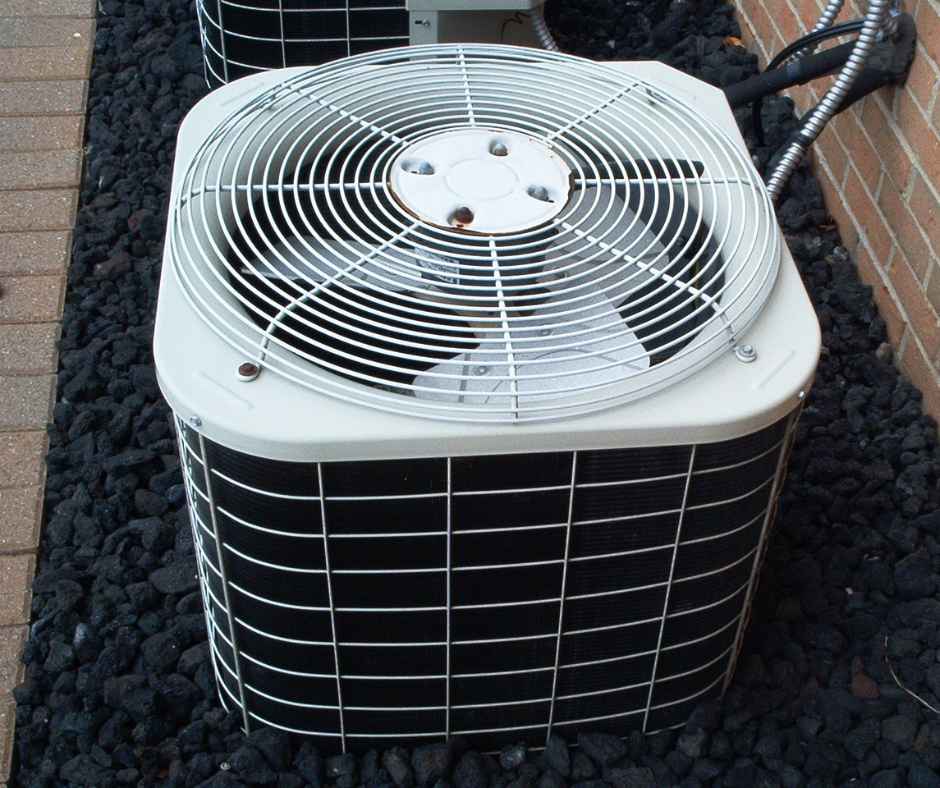
Your outdoor condenser unit is the heart of your cooling system. In Bluffton, this unit is exposed to intense sunlight, salt air, and various local biological factors that can degrade its performance. Before you switch to “Cool” for the first time, a thorough visual inspection of the exterior equipment is required to prevent mechanical strain.
To ensure your outdoor unit is ready for the Lowcountry humidity, perform the following checks:
- Clear the Perimeter: Ensure there is at least two feet of open space around the entire condenser. Trim back any overgrown jasmine, palmetto fronds, or azaleas that may have encroached during the winter to allow for proper airflow.
- Remove Debris and Pests: Palmetto bugs, wasps, and even small rodents often seek shelter inside HVAC cabinets during the colder months. Check for visible nests or organic debris that could jam the fan blades or damage electrical contactors.
- Inspect the Aluminum Fins: Examine the delicate metal fins on the sides of the unit. If they are clogged with pine needles or have been flattened, the system cannot dissipate heat effectively.
- Rinse Away Salt Residue: Gently wash the unit’s exterior with a low-pressure garden hose. This helps remove salt spray and dust that can lead to corrosion. Never use a pressure washer, as the high force will flatten the fins and cause permanent damage.
- Check the Refrigerant Lines: Look at the large copper pipe leading into the house. It should be covered in thick, intact foam insulation. If the insulation is missing or dry-rotted, your system will lose cooling capacity before the air even enters your home.
By taking these steps, you ensure the heat-exchange process is as efficient as possible. A clean exterior unit is the first line of defense against the high utility bills that often plague South Carolina summers.
Internal System Checks: Filters, Drains, and Vents
The work you do inside your home is just as important as the maintenance performed outside. In the Lowcountry, indoor air quality is a major concern due to high moisture levels that can promote biological growth in your ductwork. Before you begin cooling your home, ensure the internal components of your HVAC system are clean and unobstructed.
- Replace the Air Filter: Start the season with a fresh, high-quality air filter. During the winter, filters often accumulate a layer of fine dust that can restrict airflow. A clean filter ensures that your system does not have to work harder than necessary to pull air through the return vents.
- Clear the Condensate Drain Line: High humidity means your air conditioner will produce more condensate as it dehumidifies your home. This water exits through a drain line. Over the winter, algae or dust can clog this pipe. Pouring a cup of white vinegar down the drain access point can help clear out potential blockages before they cause an indoor overflow.
- Inspect and Clean Vents: Walk through your home and ensure that all supply and return vents are open and not blocked by furniture or rugs. Use a vacuum attachment to remove any visible dust or pet hair from the grilles, keeping your indoor air as clean as possible.
- Check for Dampness: Inspect the area around your indoor air handler for any signs of moisture or rust. In Bluffton, small leaks can quickly escalate into larger issues if humid air interacts with standing water.
Ensuring these internal components are ready for action will improve your home’s air quality and help your system maintain a consistent temperature. A clear drain line and clean filter are your best defenses against the most common early-season service calls.
The “Test Run” Protocol: Assessing Performance Early
Waiting until the first 90-degree day to turn on your air conditioner is a risky strategy in the Lowcountry. If there is a mechanical failure or a refrigerant leak, you do not want to discover it when every HVAC company in Bluffton is already backed up with emergency calls. Performing a controlled test run during a mild spring afternoon allows you to evaluate the system’s health without the pressure of a heatwave.
To perform a successful test run, follow these steps:
- Lower the Thermostat Gradually: Set your thermostat to “Cool” and lower the target temperature about five degrees below the current room temperature.
- Listen for Unusual Sounds: As the system engages, listen for grinding, squealing, or persistent clicking. These sounds often indicate a failing motor or a loose belt that needs attention before it breaks completely.
- Feel the Airflow: Within a few minutes, you should feel a steady stream of cool air coming from your vents. If the air is weak or feels lukewarm, your system may be low on refrigerant or suffering from a blocked coil.
- Check the Cycle Length: Observe how long the system runs. If it turns on and off rapidly, a process known as short-cycling, it is likely struggling with a sensor issue or an airflow restriction.
- Smell the Air: A musty or “dirty sock” smell upon startup is common in humid climates. However, if the smell persists for more than a few minutes, it may indicate biological growth on the evaporator coils, which requires professional cleaning.
If your system passes this test run, you can feel confident heading into the warmer months. If it struggles, you have time to schedule a repair before peak-season prices and wait times take effect.
Benefits of a Professional Multi-Point Precision Tune-Up
While DIY checks are a fantastic starting point, they cannot replace the specialized tools and diagnostic expertise of a licensed technician. In the Bluffton area, the combination of high humidity and salt air means that even a system that “seems” to be running fine might be suffering from hidden inefficiencies. A professional multi-point precision tune-up goes deep into the mechanical heart of your unit to identify issues that the untrained eye simply cannot see.
During a professional visit, our experts perform technical tasks that are critical for long-term reliability:
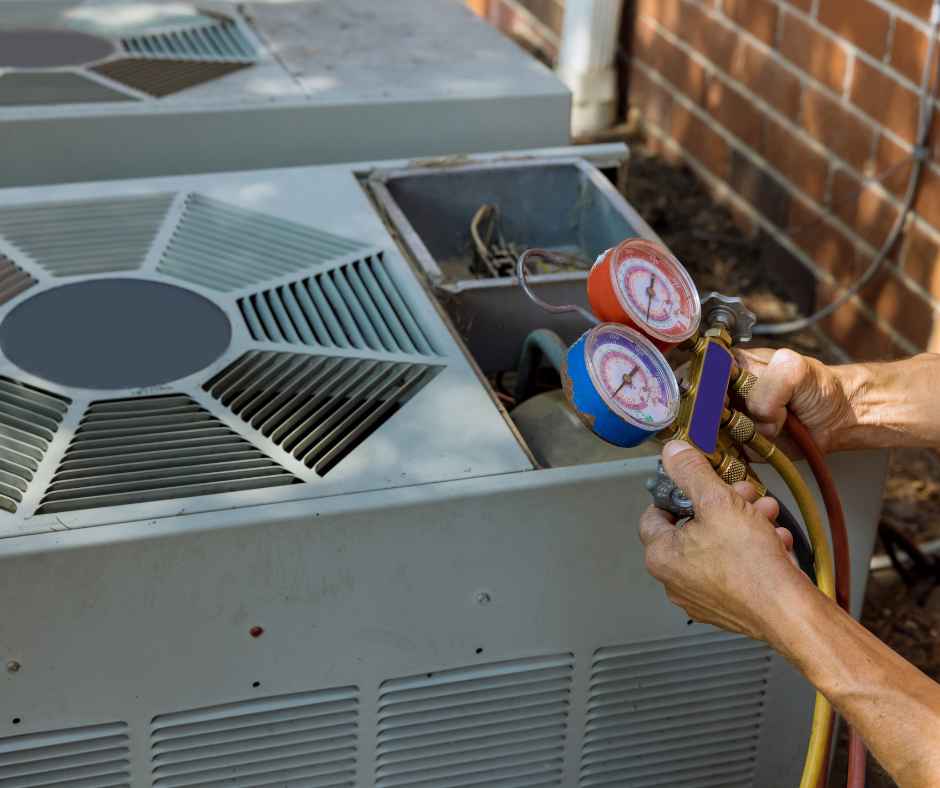
- Refrigerant Level Verification: We check for the precise balance of refrigerant. Too little indicates a leak, while too much can damage the compressor.
- Electrical Connection Tightening: Lowcountry heat can cause metal to expand and contract, which loosens electrical terminals over time. We secure these to prevent “fried” control boards.
- Condenser and Evaporator Coil Cleaning: We use specialized, non-corrosive cleaners to remove the salt and biological film that a garden hose cannot touch.
- Amp Draw Monitoring: By measuring the electrical current your motors draw, we can predict failures before they occur, saving you from a mid-summer breakdown.
- Thermostat Calibration: We ensure your home’s “brain” is communicating accurately with your HVAC unit so you are not overpaying for cooling you do not need.
Investing in professional HVAC service each spring is the most effective way to protect your warranty and ensure your system lasts as long as possible. At R.S. Andrews, we specialize in the specific needs of Bluffton homes, ensuring your comfort is never compromised.
Beating the Bluffton Heat with Confidence
The transition from spring to summer in the Lowcountry is beautiful, but it is also a true test of your home’s cooling capabilities. By taking the time to inspect your exterior unit, refresh your filters, and perform a strategic test run, you place yourself ahead of the curve. These proactive steps do more than just provide comfort; they protect your bank account from the high costs of emergency repairs and inflated energy bills caused by inefficient equipment.
Do not wait for the humidity to become unbearable before you think about your air conditioner. Whether you need a simple inspection or a complex repair, the team at R.S. Andrews is here to serve the Bluffton community with integrity and expertise. We understand the local climate and what it takes to keep a home cool and dry during a South Carolina summer. To schedule your spring maintenance and ensure your home is ready for the heat, contact us today.
Frequently Asked Questions
How often should I change my AC filter in Bluffton?
In our humid climate, we recommend checking your filter every 30 days. If you have pets or allergies, you will likely need to replace it monthly. During the mildest parts of spring, you might extend the interval to 60 days, but a clean filter is the easiest way to maintain efficiency.
Why is my AC blowing warm air during the first spring startup?
This is often caused by a tripped breaker, a blown fuse, or a thermostat that is not set correctly. However, in our coastal environment, it could also indicate a refrigerant leak due to salt-air corrosion. If basic checks do not fix the issue, call a professional immediately.
Is it normal for my AC to smell a bit musty when I first turn it on?
A brief musty smell is normal as the system clears dust that settled over the winter. However, if the smell persists, it is likely “Dirty Sock Syndrome,” caused by mold or bacteria growing on the damp evaporator coils. This requires a professional cleaning to resolve.
Does salt air really damage my AC unit that quickly?
Yes, salt air is highly corrosive to the aluminum fins and copper tubing in your outdoor unit. Without regular rinsing and professional coatings or cleanings, a unit near water can have a significantly shorter lifespan than one farther inland.
Should I cover my AC unit during the winter months?
We generally advise against covering the entire unit in Bluffton. Covers can trap moisture and salt against the metal, accelerating rust. They also provide a perfect, warm nesting spot for palmetto bugs and other local pests.

Heater on the fritz? Frustrated with plumbing problems? R.S. Andrews is just a call away!