Serving Bluffton, Hilton Head & Savannah

What To Do if Your Water Smells “Sulfur Like” in Bluffton
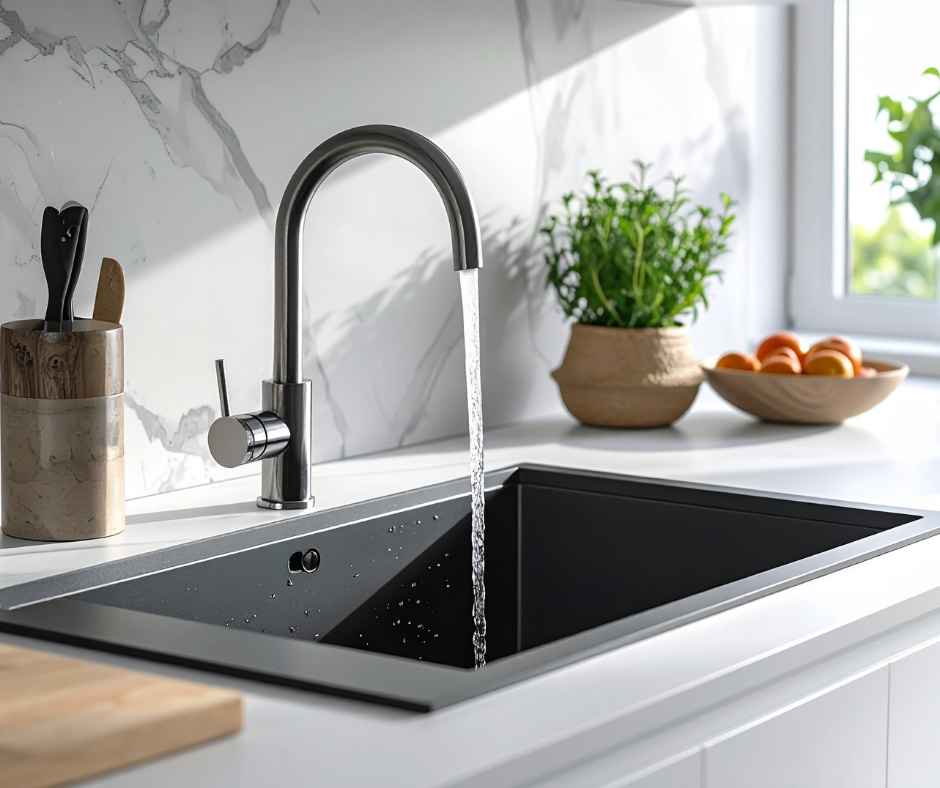
Few things are as off-putting as turning on your kitchen faucet to prepare a meal or stepping into a morning shower only to be greeted by the pungent, unmistakable scent of rotten eggs. For homeowners in Bluffton and throughout the Lowcountry, this sulfur-like odor is a relatively common occurrence. However, that does not make it any less concerning. While the smell is usually not an indication of toxic water, it is a sign that something in your plumbing system or your water source requires attention. Ignoring the issue can lead to stained fixtures, corroded pipes, and a home that feels significantly less than Lowcountry fresh.
In this blog, R.S. Andrews will explain why your water may smell like sulfur in Bluffton and provide a step-by-step guide to identify the source and eliminate the odor for good. By understanding the unique environmental factors of our region, you can take the right steps to restore the quality of your home’s water supply.
Identifying the Culprit: What is Hydrogen Sulfide?
The scientific reason for that rotten egg smell is almost always the presence of hydrogen sulfide. This colorless gas is produced naturally when organic matter decomposes in low-oxygen environments. In our region, this gas typically enters your home through one of two primary biological or chemical pathways.
- Sulfur-Reducing Bacteria: These are non-toxic bacteria that thrive in deep wells, water heaters, and plumbing systems where oxygen is scarce. They “breathe” sulfate and release hydrogen sulfide gas as a metabolic byproduct. Because the Lowcountry has a high water table and soil rich in organic matter, these bacteria are quite common in local groundwater.
- Geological Sources: In many parts of Bluffton, the gas is present in the aquifer itself. As water moves through underground rock and soil containing sulfur-rich minerals, it dissolves the gas and carries it into your plumbing system.
- Chemical Reactions: Sometimes, the gas is not present in the water source at all but is generated by a chemical reaction within your plumbing hardware. This is especially common when certain minerals in the water react with the metals in your water heater’s internal components.
While the human nose can detect hydrogen sulfide at extremely low concentrations, it rarely poses an immediate health risk at the levels found in residential plumbing. However, the presence of the gas is more than just a nuisance. Over time, sulfuric water can make your drinking water unpalatable, cause silverware to tarnish, and lead to yellow or black stains on laundry and porcelain fixtures.
The Diagnostic “Glass Test”: Is it the Water or the Drain?
Before you invest in a new filtration system or call for a plumbing repair, it is essential to determine whether the odor is in your water or coming from the sink drain. Often, bacteria can grow in a sink’s P-trap or a garbage disposal, releasing gas that is pushed upward when the water starts running. This can trick you into thinking the water itself is the source of the smell.
Perform this simple “Glass Test” to narrow down the culprit:
- Fill a clean glass with water from the faucet where you notice the strongest odor.
- Walk away from the sink immediately. Go to a different room or step outside to ensure your nose is away from any gases lingering around the drain.
- Smell the water in the glass.
- If the water in the glass smells like sulfur, the issue is located in your water supply or your water heater.
- If the water in the glass smells clean, the odor is coming from the drain. You likely have a buildup of biofilm or organic matter in the drain lines that needs to be disinfected.
If the test confirms the water is the source, pay attention to whether the smell occurs with both hot and cold water or just the hot. This distinction is the key to identifying which part of your system needs attention.
Hot Water Only? The Water Heater and Anode Rod Connection
If your “Glass Test” shows that the sulfur smell occurs only when you run the hot water, the problem is narrowed down to your water heater. Inside almost every tank-style water heater is a critical component called a sacrificial anode rod. This rod is usually made of magnesium or aluminum and is designed to corrode so that the steel tank of your heater does not.
In the unique water conditions of Bluffton, a specific chemical and biological chain reaction often takes place inside these tanks:
- The Reaction: The magnesium in the anode rod provides “free electrons” as it corrodes. Naturally occurring, non-pathogenic sulfur-reducing bacteria in the water use these electrons as an energy source to convert sulfates into hydrogen sulfide gas.
- The Perfect Environment: Because the interior of a water heater is warm, dark, and low in oxygen, it acts as a perfect incubator for these bacteria. The gas builds up in the top of the tank and is pushed through your pipes the moment you turn on a hot water tap.
- The Softener Factor: If you have a water softener, the problem can actually become worse. Softeners replace calcium with sodium, increasing water conductivity and causing the anode rod to corrode faster, providing even more “fuel” for the sulfur bacteria.
Simply removing the anode rod is not recommended, as it will cause your water heater tank to rust out and fail within a few years, likely voiding your warranty. Instead, professionals recommend:
- Replacing the magnesium rod with a zinc-aluminum alloy rod. Zinc helps neutralize the smell and inhibits bacterial activity.
- Installing a powered titanium anode rod. These do not rely on a chemical reaction to protect the tank, meaning they provide no “food” for bacteria and can eliminate odor permanently.
A professional tank flush and “shock” treatment to kill existing bacterial colonies before installing the new rod.
Bluffton Well Water and Groundwater Challenges
For many residents in the Bluffton area, especially those in more rural pockets or older established neighborhoods, the water supply comes from private or community wells. If your “Glass Test” showed that both your hot and cold water smell like sulfur, the issue likely originates in the well itself or the surrounding groundwater. The Lowcountry’s unique coastal plain geology plays a significant role in this.
- High Organic Matter: Our region’s soil is rich in organic materials and sits over a very high water table. As rainwater filters into the aquifer, it carries organic matter that decomposes in low-oxygen conditions, creating the perfect nursery for sulfur-reducing bacteria.
- Seasonal Fluctuations: Many Bluffton homeowners notice that the rotten-egg smell becomes more intense after heavy tropical rains or during the hot, humid summer months. Large amounts of rainfall can wash fresh organic matter into shallower aquifers, while high temperatures can accelerate bacterial metabolic activity.
- The Iron Connection: In the Lowcountry, sulfur and iron often go hand in hand. If you see reddish-orange staining in your sinks along with a sulfur smell, you likely have iron bacteria. These bacteria create a thick, stringy slime that can clog well screens and pump components, making the odor even harder to eliminate.
For well-related odors, the most common first step is Shock Chlorination. This involves introducing a concentrated chlorine solution into the well to disinfect the casing, pump, and distribution lines. While this is effective at killing localized bacteria, it is often a temporary fix if the sulfur is naturally occurring in the deeper aquifer. In those cases, a permanent filtration solution is necessary to maintain water quality year-round.
Professional Solutions for Eliminating Sulfur Odors
Once you have identified that the odor is originating from your water supply rather than a dirty drain, it is time to consider long-term, professional solutions. Because Bluffton’s water chemistry can vary from neighborhood to neighborhood, there is no one-size-fits-all fix. At R.S. Andrews, we recommend a targeted approach based on the severity of the hydrogen sulfide concentration.
- Activated Carbon Filtration: For mild odors, a whole-home activated carbon filter can be highly effective. The carbon acts like a sponge, adsorbing the gas as the water passes through. This not only removes the smell but also improves the overall taste of your drinking water.
- Aeration Systems: Often considered the “gold standard” for removing high levels of sulfur gas. An aeration system sprays the incoming water into a tank, allowing the gas to escape into the air and be vented outside the home. This physical separation is highly effective and does not require chemical use.
- Oxidizing Filters: These systems use specialized media (such as manganese greensand) to convert the dissolved gas into solid sulfur particles, which are then physically filtered out of the water. These are particularly useful if your water also has high iron levels.
- Chemical Feed Pumps: In extreme cases, a small amount of chlorine or hydrogen peroxide can be injected into the water line. These chemicals oxidize the sulfur and kill any remaining bacteria. A secondary carbon filter is then used to remove the chemical taste before the water reaches your faucets.
By choosing a professional installation, you ensure the system is properly sized for your home’s water usage and that venting is handled safely to prevent gas buildup in your utility room or garage.
Long-Term Maintenance for Fresh Water
Eliminating the sulfur smell is a major relief, but maintaining that fresh water quality requires a proactive approach. In the Lowcountry, where environmental factors like high humidity and mineral-rich water are constant, a “set it and forget it” mentality can lead to the odor returning. Consistent maintenance is the best defense against the return of sulfur-reducing bacteria.
- Annual Water Heater Flushing: Sediment and mineral scale act as a protective “shield” for bacteria at the bottom of your tank. Flushing your water heater at least once a year removes this buildup and ensures your anode rod can work effectively.
- Regular Drain Sanitization: Even if your water is clean, biofilm can re-establish itself in your sink overflows and P-traps. Periodically cleaning your drains with a mixture of baking soda and vinegar, or with a professional-grade enzyme cleaner, helps keep these areas from becoming a source of localized odors.
- Filter Media Replacement: If you have an activated carbon or oxidizing filter, the media eventually becomes exhausted. Staying on a regular replacement schedule ensures the system continues to trap hydrogen sulfide gas before it enters your home.
- Well Head Inspections: For well owners, ensuring the well cap is tightly sealed and the surrounding ground slopes away from the well prevents surface water and the organic matter it carries from infiltrating your water supply.
By incorporating these simple steps into your home maintenance routine, you can enjoy clean, odorless water year-round. This not only improves your quality of life but also extends the lifespan of your plumbing fixtures and appliances.
Restoring Your Lowcountry Home’s Water Quality
Living in Bluffton offers a unique and beautiful lifestyle, but it also comes with specific environmental challenges that can affect your home’s plumbing. While the scent of rotten eggs is frustrating, it is a problem with clear solutions. Whether the culprit is a reacting anode rod in your water heater or naturally occurring gases in the local aquifer, you do not have to settle for water that smells or tastes unpleasant. By taking a systematic approach to identify the source and implementing professional-grade solutions, you can protect your plumbing infrastructure and restore the fresh, clean environment your family deserves.
The key to long-term success is addressing the root cause rather than just masking the symptom. At R.S. Andrews, we have the local expertise and the specialized equipment necessary to handle the unique water chemistry of the Lowcountry. Contact R.S. Andrews today to schedule a comprehensive water quality evaluation and take the first step toward a sulfur-free home.
Frequently Asked Questions
Is it safe to drink water that smells like sulfur?
In most cases, yes. Hydrogen sulfide at the levels typically found in residential water is not considered toxic to humans. However, it makes the water taste unpleasant, and high concentrations can sometimes cause nausea or stomach distress if consumed in large quantities.
Why does the smell seem stronger in the morning?
When water sits stagnant in your pipes or water heater overnight, the sulfur-reducing bacteria have more time to produce gas. When you turn on the faucet first thing in the morning, you are receiving a concentrated “slug” of the gas that has built up while the system was at rest.
Will a standard pitcher filter or refrigerator filter fix the smell?
Most basic carbon filters found in pitchers or refrigerators are designed for chlorine and lead, not hydrogen sulfide. While they might slightly reduce a very faint odor, they are generally ineffective against the “rotten egg” smell. A whole-home solution is usually required for noticeable results.
Can I just pour bleach down my drains to stop the smell?
If the smell is strictly coming from the drain (and passes the “Glass Test”), a small amount of bleach can kill the bacteria in the P-trap. However, if the smell is in the water itself, pouring bleach down the drain will not affect the source of the problem.
Does a sulfur smell mean I have a gas leak?
Natural gas companies add a chemical called mercaptan to gas lines to give the gas a distinctive rotten-egg smell. If you smell sulfur only when running water, it is a plumbing issue. However, if you smell it throughout the house even when the water isn’t running, you should leave the premises and call your gas provider immediately to rule out a leak.

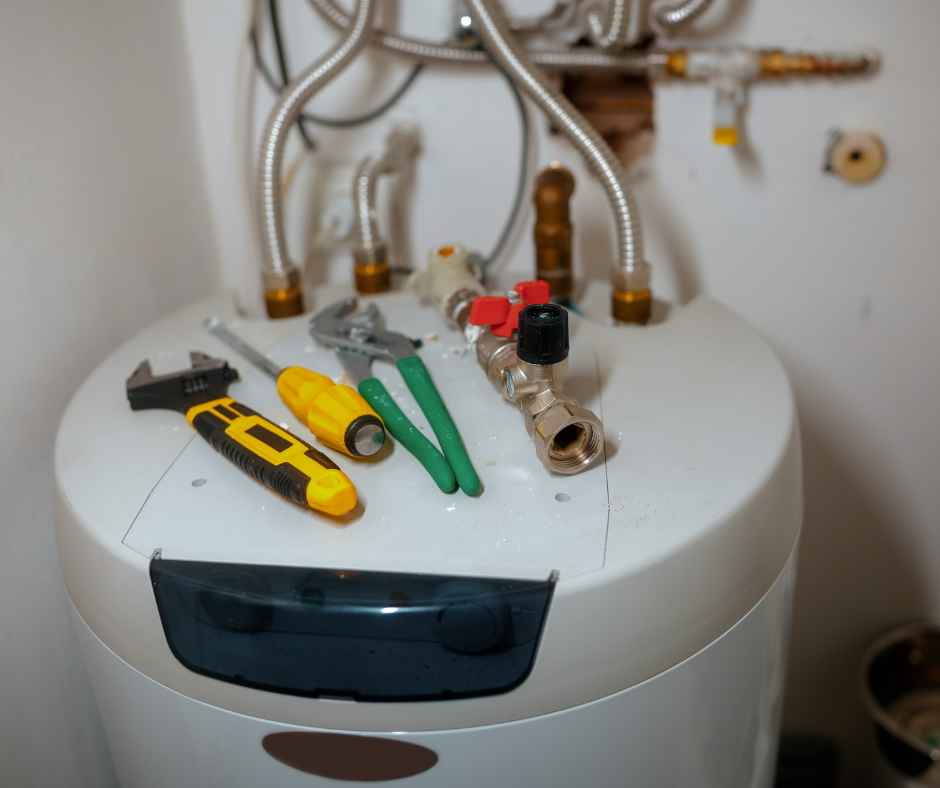
Heater on the fritz? Frustrated with plumbing problems? R.S. Andrews is just a call away!